
 By admin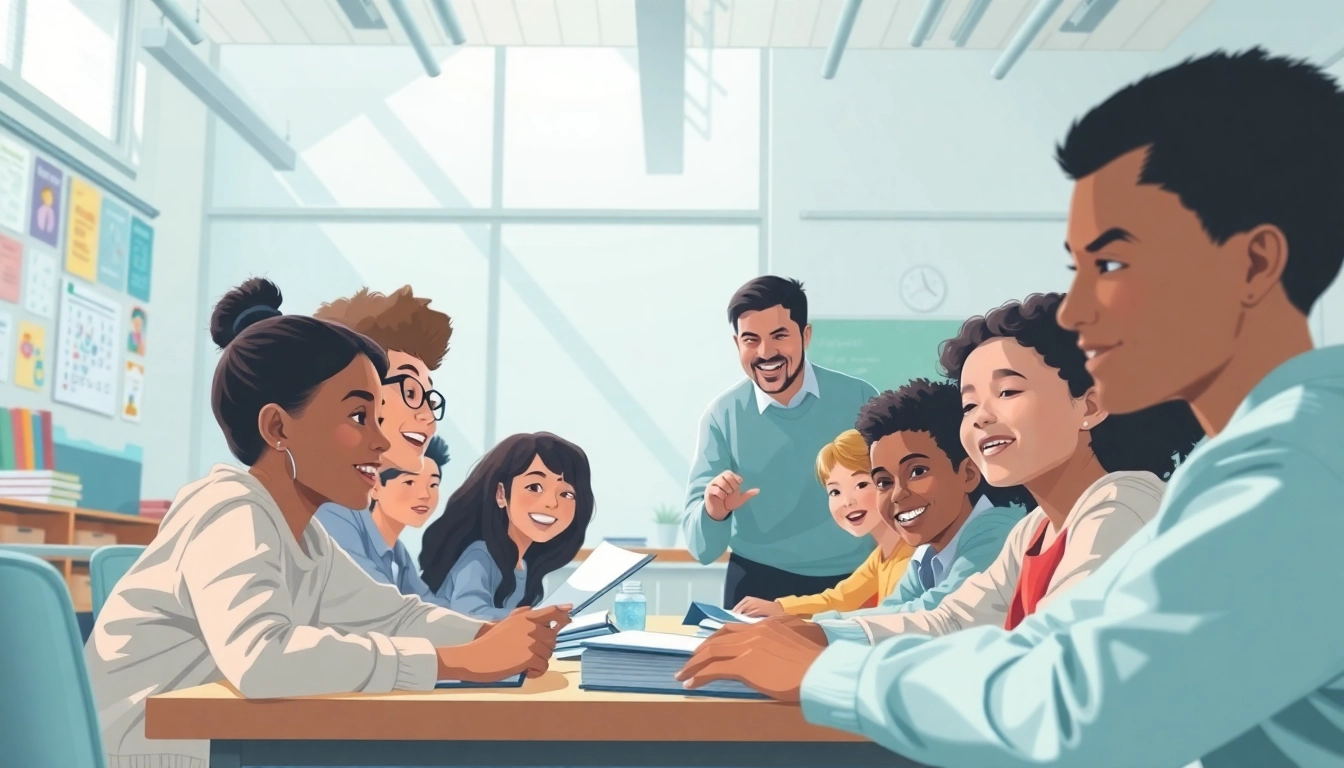
Understanding the Importance of Education in 2026
As we move deeper into the 21st century, the significance of education has never been more critical. It serves as the foundation for both individual growth and societal development. In 2026, we will witness an evolving landscape where education is not just a pathway to employment but also a means to foster innovation, promote equality, and drive social change. An equitable education system is essential for empowering individuals and communities, ensuring that everyone has access to quality learning opportunities regardless of their backgrounds or circumstances.
Defining Education and Its Impact on Society
Education is fundamentally about the transmission of culture, knowledge, and values from one generation to the next. It encompasses a wide range of activities, not just formal schooling but also informal learning experiences that shape our understanding of the world. The impact of education on society is profound; it contributes to economic growth, social cohesion, and the overall well-being of populations. In 2026, education must adapt to meet the needs of a rapidly changing job market, requiring a focus on developing critical thinking, creativity, and adaptability.
The Role of Education in Promoting Equality and Justice
Education plays a pivotal role in promoting equality and justice. By providing a platform for social mobility, it helps bridge the gaps between different socio-economic groups. However, disparities in educational access and quality remain significant barriers. In 2026, addressing these inequalities will require targeted policies and initiatives that focus on historically marginalized communities. Schools must not only educate but also advocate for an inclusive environment that champions diversity and equity.
Current Challenges in Education Accessibility
Despite progress in many areas, accessibility to quality education remains a daunting challenge. Factors such as economic disparities, geographic location, and systemic biases contribute to unequal opportunities for students. Furthermore, the COVID-19 pandemic has exacerbated these issues, highlighting the digital divide that leaves many students without adequate access to technology and resources. To move toward a more equitable system, innovative solutions must be implemented to address these systemic barriers.
Innovative Approaches to Education Reform
To reshape the educational landscape, innovative approaches are necessary. Embracing change and adapting to the needs of learners is vital for ensuring that education remains relevant and effective. In 2026, educators will need to rethink traditional methods and explore new techniques that foster student engagement and success.
Integration of Technology in the Classroom
Technology has transformed how we teach and learn, creating opportunities for personalized learning experiences. In 2026, the integration of advanced technologies such as artificial intelligence, virtual reality, and adaptive learning platforms will enable educators to tailor instruction to individual student needs. This shift will not only enhance engagement but will also prepare students for a future where technology will play an integral role in various professions.
Project-Based Learning as a Tool for Engagement
Project-based learning (PBL) offers a valuable method for fostering critical thinking and collaboration among students. By engaging in real-world projects, students can apply their knowledge in practical contexts, which enhances their understanding and retention of the material. In 2026, PBL will become increasingly important as educators strive to connect curriculum with contemporary issues, preparing students for active citizenship and problem-solving in their communities.
Collaborative Learning Environments: Benefits and Strategies
Fostering collaborative learning environments is essential for developing interpersonal skills and promoting teamwork. By encouraging students to work together, educators can create a sense of community and belonging, which is vital for academic success. In 2026, adopting strategies like cooperative learning and peer-to-peer mentoring will help build these collaborative spaces, where students can learn from each other and enhance their social-emotional skills.
Advocating for Education Equity
Advocating for education equity is crucial in the ongoing fight against systemic injustices. Efforts to ensure that all students have equal opportunities to succeed must be at the forefront of educational policy and reform. In 2026, educators, policymakers, and communities must work together to create inclusive systems that address the unique needs of all learners.
Understanding Systemic Barriers to Education
Systemic barriers to education include funding inequities, discriminatory policies, and a lack of representation in educational leadership. Understanding these issues is the first step in addressing them. In 2026, educational leaders must conduct thorough assessments of their systems to identify barriers and implement strategies that promote equity and inclusivity in every aspect of schooling.
Strategies for Inclusive Education Policies
Creating inclusive education policies requires a multifaceted approach. Strategies might include revising curricula to reflect diverse perspectives, investing in training for educators on cultural competence, and ensuring access to resources for all students. In 2026, policies that prioritize inclusivity will help dismantle barriers and create supportive learning environments that celebrate diversity.
Real-World Examples of Education Equity Initiatives
Successful education equity initiatives from around the world can serve as powerful models. Programs that focus on mentorship, tutoring, and community engagement have shown promise in improving educational outcomes for marginalized students. Highlighting these examples in 2026 can inspire similar efforts and drive the movement toward a more equitable education system globally.
Future Trends in Education for 2026 and Beyond
The future of education will be shaped by emerging trends that reflect the changing demands of society and the workforce. Understanding these trends is essential for stakeholders aiming to create effective educational systems.
Emerging Skills and Competencies for the Future Workforce
As we approach 2026, the skills required for the workforce will continue to evolve. Critical thinking, emotional intelligence, digital literacy, and adaptability are becoming increasingly important. Educational institutions must focus on equipping students with these competencies to ensure they are prepared for the complexities of the modern job market.
Global Perspectives on Education Reform
Education reform is a global challenge, and learning from international practices can provide valuable insights. Countries that prioritize holistic education approaches, such as Finland, serve as examples of how to implement successful reforms. In 2026, examining global perspectives will be essential for identifying strategies that can be adapted to local contexts.
Predictions on the Future of Learning Experiences
The learning experiences of the future will be characterized by flexibility and personalization. As more students embrace online and hybrid learning environments, educators must develop innovative methods to ensure that all learners remain engaged and supported. Predicting these changes and preparing for them will be crucial for achieving educational success in 2026 and beyond.
Measuring Success in Education Initiatives
Measuring the success of education initiatives is vital for understanding their impact and ensuring accountability. In 2026, a focus on data-driven decision-making will be essential for evaluating the effectiveness of programs and policies.
Key Performance Indicators for Education Programs
Establishing key performance indicators (KPIs) allows educators to measure success effectively. Metrics such as graduation rates, student engagement levels, and academic achievement should be monitored to assess the impact of educational interventions. In 2026, these KPIs will guide continuous improvement efforts and help identify successful strategies.
Case Studies: Successful Education Innovations
Highlighting case studies of successful education innovations can serve as inspiration for others looking to implement change. These examples demonstrate how creative solutions and collaborative efforts can lead to substantial improvements in educational outcomes. In 2026, sharing these stories will encourage broader adoption of effective practices.
Feedback Mechanisms: Ensuring Continuous Improvement
Feedback mechanisms are essential for ensuring continuous improvement in education. Regular assessments and stakeholder input can provide valuable insights into what works and what needs adjustment. In 2026, incorporating feedback loops into educational practices will be crucial for fostering a culture of growth and adaptability.