Understanding Home Appliances
What Are Home Appliances?
Home appliances refer to electrical machines that assist in household functions, such as cooking, cleaning, and food preservation. They play a pivotal role in making our everyday lives easier and are an integral part of any modern home. These devices range from large equipment like refrigerators and ovens to smaller items such as toasters and microwaves. Each serves a unique purpose that contributes to the overall efficiency of household tasks.
The Importance of Home Appliances in Daily Life
Home appliances significantly enhance convenience, allowing us to spend more time on leisure, family, or work. The time saved on daily chores can improve our quality of life and increase productivity. Furthermore, with the right set of appliances, household tasks can be performed faster and more efficiently, reducing the overall stress associated with home management. Consequently, home appliances have become essential companions in daily living, contributing to a more organized and enjoyable home environment.
Types of Home Appliances: Overview
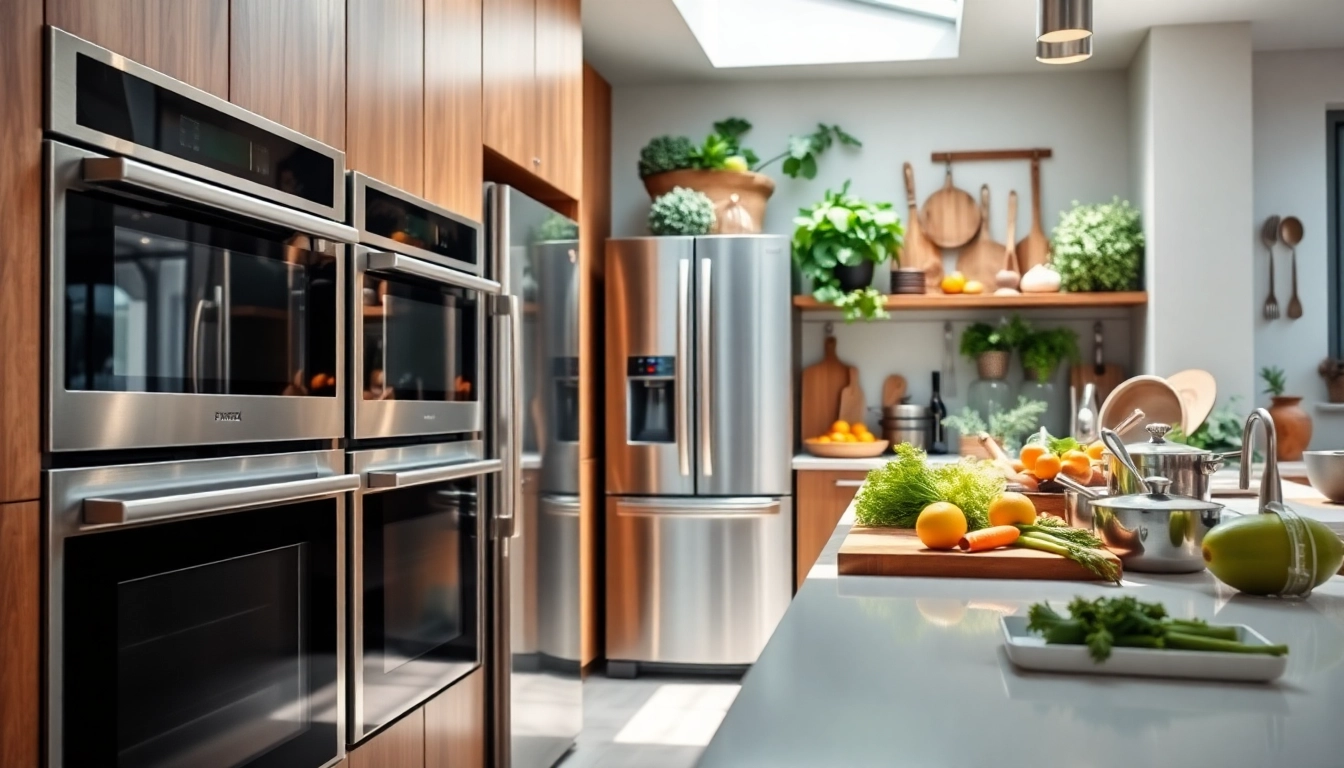
Home appliances can be broadly categorized into two main types: major appliances and small appliances. Major appliances include larger items that are often built-in or too large to move easily, such as refrigerators, dishwashers, and ovens. Small appliances, on the other hand, are portable and can be moved around easily. They include devices like coffee makers, blenders, and microwaves. Understanding the different types helps consumers select appropriate appliances that meet their needs.
Choosing the Right Home Appliances
Assessing Your Cooking Needs
Choosing the right appliances starts by assessing your specific cooking needs. Reflect on the cuisines you enjoy preparing and the frequency with which you cook. If you are an occasional cook, basic appliances may suffice, while avid cooks may require advanced tools like food processors and sous-vide machines. Evaluate the layout and size of your kitchen and consider how much counter space is available for any additional appliances you may wish to incorporate.
Energy Efficiency Aspects
Energy efficiency is a critical factor when selecting home appliances. Not only do energy-efficient devices help reduce electricity bills, but they are also better for the environment. Look for appliances with an Energy Star rating, which signifies meeting superior energy efficiency standards. Choosing models that consume less energy can save money in the long run and negatively impact the environment.
Budget Considerations for Home Appliances
Budget constraints can influence your choices when selecting new home appliances. Establish a clear budget that encompasses both the initial purchase price and potential ongoing costs associated with maintenance, repairs, and energy consumption. It's useful to compare the upfront cost with long-term savings. Sometimes, investing in a higher-quality appliance can result in overall savings due to its durability and efficiency.
Maintenance of Home Appliances
Routine Care For Longevity
Regular maintenance of home appliances is essential for longevity and optimal performance. Most appliances come with a manufacturer’s guide listing suggested maintenance routines. Cleaning, descaling, and checking seals are common tasks that can prevent breakdowns and extend the lifespan of appliances. Regular maintenance not only ensures better functionality but also keeps appliances looking new, enhancing overall home aesthetics.
Common Troubleshooting Tips
When appliances malfunction, it’s vital to know some basic troubleshooting steps before calling in a professional. For example, if a refrigerator is not cooling, ensure it’s properly plugged in and that the temperature settings are correct. If a washing machine won’t start, it may be due to a loose door latch or clogged hoses. By familiarizing yourself with common issues, you can save time and money when problems arise.
When to Seek Professional Help
While many issues can be resolved with basic troubleshooting, some situations necessitate professional assistance. If an appliance shows signs of severe wear, frequent breakdowns, or safety hazards (such as unusual noises or smells), it's time to call a technician. Attempting to fix complex issues without expertise can lead to further damage or injury, so be cautious and recognize your limits.
Innovations in Home Appliances
Latest Trends in Home Appliances
The landscape of home appliances is continuously evolving with the incorporation of innovative technologies that enhance performance and user experience. Currently, many consumers favor multifunctional appliances that save both space and effort. Items like air fryers that can also bake or steam demonstrate how modern kitchen devices are adapting to meet diverse cooking needs and streamline home management.
Smart Technology Integration
The integration of smart technology into home appliances has transformed the way we interact with our devices. Smart refrigerators can alert you when food is about to expire, while smart ovens allow you to preheat remotely from your smartphone. This level of connectivity provides greater convenience and control, enabling users to manage their home appliances more efficiently, even when away from home.
Sustainable Options to Consider
In recent years, sustainability has become a priority for many consumers. Energy-efficient appliances, biodegradable cleaning products, and devices made from recycled materials respond to this growing demand. Consider investing in appliances that reduce energy and water consumption, as well as those that have eco-friendly certifications. Moreover, look for options that support sustainability goals while still delivering high performance.
FAQs About Home Appliances
What are the most essential home appliances for a kitchen?
The essential home appliances for a kitchen typically include a refrigerator, stove, oven, microwave, and dishwasher. These gadgets facilitate a wide range of cooking and food preservation tasks vital in daily kitchen operations.
How can I improve the energy efficiency of my home appliances?
To improve energy efficiency, consider using appliances with Energy Star ratings, regularly clean filters, and use settings that automate energy conservation, such as eco mode or standby functions.
What should I consider when upgrading my home appliances?
When upgrading, assess your cooking habits, available space, energy efficiency, features, and budget. Ensure the new appliances fit your lifestyle needs and enhance your kitchen's functionality.
How often should I maintain my home appliances?
Routine maintenance should occur at least once a year, although certain appliances may need more frequent care, like cleaning the lint filter in dryers after every use or descaling coffee makers monthly.
Can smart home appliances really save time and effort?
Yes, smart home appliances can significantly reduce time and effort through convenience features, such as remote operation, notifications about maintenance needs, and integration with home automation systems for streamlined control.