
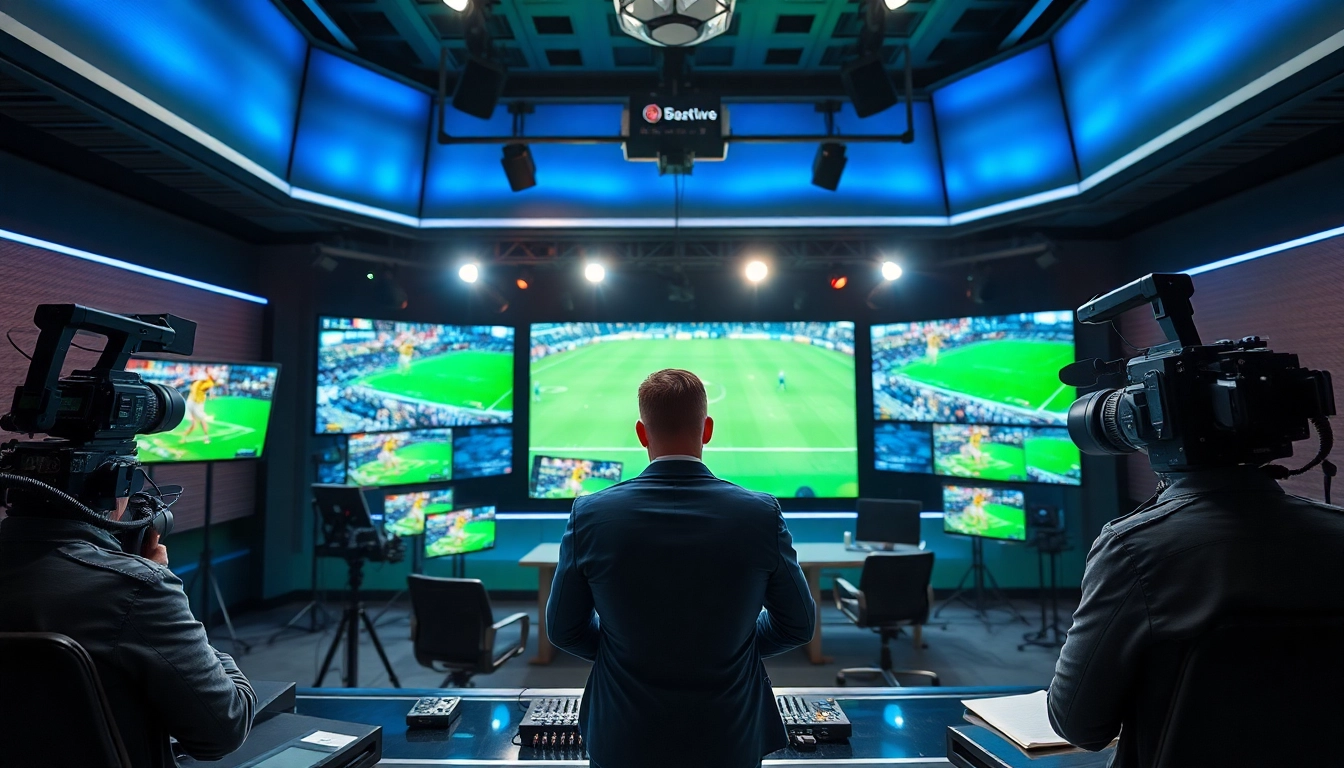
Understanding the Essence of Sports Broadcasting
Defining Sports Broadcasting
Sports broadcasting encompasses the live transmission of sports events across various platforms such as television, radio, and internet streaming services. It allows audiences to experience sporting events as they happen, offering commentary, analysis, and highlights. This dynamic field is crucial in connecting fans with their favorite sports, providing information, entertainment, and a sense of community. The excitement that surrounds live sports is heightened by the skilled broadcast professionals who bring the action to life, making it an integral part of the sporting experience.
The Evolution of Sports Broadcasting
The journey of sports broadcasting has been remarkable, transforming from early radio broadcasts to the sophisticated digital platforms we engage with today. Initially, sports enthusiasts relied on radio to follow their teams, but as technology progressed, broadcasting transitioned to television in the mid-20th century. The introduction of color TV and 24-hour sports channels revolutionized how we consumed sports, paving the way for features like instant replays, multi-camera angles, and live graphics. Today, the advent of the internet has led to a new era of Sports Broadcasting, where streaming services provide on-demand content, interactive features, and social media integration, allowing fans to engage with sports like never before.
The Importance of Viewer Engagement
In the competitive landscape of sports broadcasting, viewer engagement is paramount. It transcends mere viewership numbers, delving into how effectively a broadcast engages its audience. Engaging viewers fosters loyalty, encouraging them to tune in regularly. Techniques such as fan polls, interactive Q&A sessions, and social media integration enhance engagement, providing real-time feedback and interaction. Broadcasters who prioritize viewer engagement not only attract larger audiences but also create a more dedicated following, ultimately driving profitability through ads and partnerships.
Core Components of Sports Broadcasting
Technology and Equipment Needed
Effective sports broadcasting relies on a combination of advanced technology and high-quality equipment. Essential components include professional-grade cameras that capture high-definition visuals, audio equipment for clear commentary, and software suites for editing and live broadcasting. Streamers need dependable internet connections to ensure seamless delivery, especially while dealing with live content, which can be prone to glitches. Beyond hardware, understanding software tools for graphics, overlays, and analytics is critical for modern broadcasts. Investing in the latest technology can significantly enhance the viewer experience.
Key Roles in a Sports Broadcasting Team
A sports broadcasting team consists of various pivotal roles, each contributing to the overall success of a broadcast. Key positions include:
- Producers: They coordinate the logistics of the broadcast, from scheduling to managing personnel and resources.
- Directors: Responsible for the visual elements of the broadcast, using their creativity to capture thrilling moments and enhance storytelling.
- Commentators: Skilled narrators who provide timely information, analysis, and context, engaging viewers and enhancing their understanding.
- Cameramen: They operate the cameras, ensuring that the action is well-captured and presented dynamically.
The collaboration among these roles is essential to create a polished and captivating broadcast that resonates with audiences.
Essential Skills for Broadcast Professionals
Success in sports broadcasting requires a unique blend of skills. Broadcasters need strong communication capabilities to convey excitement and clarity while understanding the intricacies of the sport they're covering. Technical knowledge of broadcasting equipment and software is also crucial. Furthermore, adaptability and strategic thinking enable professionals to respond swiftly to unexpected events, ensuring a seamless viewer experience. Building strong relationships with sports organizations and players can enhance content quality and viewer authenticity, solidifying a broadcaster’s reputation in the industry.
Best Practices for Effective Sports Broadcasting
Creating Compelling Narratives
One of the cornerstones of successful sports broadcasting is the ability to weave compelling narratives that resonate with audiences. Powerful storytelling can elevate the experience from merely watching a game to engaging with the highlight moments of the sport. Broadcasters should focus on the human elements of stories—team rivalries, player backgrounds, and underdog tales—that create emotional connections with viewers. Effective use of pacing, tone, and language can further captivate audiences, keeping them invested from start to finish.
Engaging Your Audience Through Interactive Content
In today’s digital age, engaging an audience goes beyond traditional broadcasts. Interactive content such as polls, quizzes, and real-time updates can enhance viewer participation. Implementing live chats during broadcasts allows fans to express their opinions and questions, creating a sense of community. Additionally, broadcasters can utilize augmented reality (AR) to provide immersive experiences that captivate more attention and interest.
Utilizing Social Media for Broader Reach
Social media plays a vital role in the modern landscape of sports broadcasting. Platforms like Twitter, Facebook, and Instagram provide broadcasters with opportunities to promote content, share highlights, and host conversations with fans. Engaging creatively over these platforms through behind-the-scenes content, athlete interviews, and live updates can significantly expand audience reach and interaction. Successful sports broadcasters leverage these channels not just to share, but to listen—actively responding to viewer feedback to improve broadcasts and promote a more inclusive viewing experience.
Challenges in Sports Broadcasting
Addressing Audience Fragmentation
As viewing preferences evolve, audience fragmentation presents a significant challenge for sports broadcasters. Viewers may have different preferences for when and how they consume content. Consequently, broadcasters must devise strategies to cater to diverse audiences by offering content across multiple platforms—television, streaming services, and social media. Recognizing shifting viewing habits allows broadcasters to tailor their offerings, whether it’s replays, highlight reels, or exclusive live content, accommodating varying viewer desires.
Navigating Licensing and Rights Issues
Licensing and rights issues pose substantial hurdles in sports broadcasting. Securing broadcasting rights can be a complex and costly affair, often involving negotiations with leagues, teams, and other entities. Broadcasters must stay informed about changing regulations, as well as the rights frameworks governing content distribution. Understanding the nuances of these legal agreements can prevent costly legal disputes and ensure compliance while maximizing reach.
Maintaining Broadcast Quality Under Pressure
Maintaining broadcast quality, particularly during high-stakes games or unexpected technical difficulties, requires meticulous planning and execution. Backup systems must be in place to prevent disruptions, and broadcast teams should be trained to respond quickly to challenges. Utilizing redundancies, such as backup streaming platforms and alternative broadcast sources, helps maintain quality and viewer satisfaction, even under pressure. A proactive approach in planning ensures that every broadcast meets established quality standards, fostering viewer trust and loyalty.
Future Trends in Sports Broadcasting
The Role of AI and Analytics
Artificial intelligence (AI) and analytics are set to revolutionize sports broadcasting in unprecedented ways. AI can automate technical aspects of broadcasting, enhance real-time data analysis, and personalize viewer experiences. By utilizing AI to provide game insights, predictive analytics, and tailored content, broadcasters can deepen viewer engagement and enhance the overall experience. Accurate data analysis offers fans rich context about player performance and game strategies, adding depth to the broadcast that keeps viewers coming back.
Emerging Platforms and Technologies
The emergence of new platforms continues to shape the future of sports broadcasting. Innovations in 5G technology enable higher quality streaming experiences and interactive capabilities. Augmented and virtual reality offer opportunities to create immersive experiences that allow fans to feel as though they are part of the action. As these platforms evolve, broadcasting strategies must adapt to leverage technological advancements, offering unique experiences that meet changing consumer expectations.
Personalization in Sports Broadcasting
Personalization will play a crucial role in the future of sports broadcasting. As viewers expect tailored experiences, broadcasters will increasingly focus on delivering content that reflects individual preferences. From curated highlights to targeted advertising based on user behavior, personalization enhances viewer satisfaction and loyalty. Incorporating feedback mechanisms allows broadcasters to refine their offerings, ensuring content remains relevant and engaging to diverse audiences.
FAQs:
1. What is sports broadcasting?Sports broadcasting refers to the transmission of sports events on various platforms, allowing viewers to watch live games or highlights.
2. How has sports broadcasting evolved?It has transitioned from radio to telecasts, and now to digital streaming, enhancing viewer experience with advanced technology.
3. What technology is essential for sports broadcasting?Key technologies include cameras, audio equipment, broadcast software, and reliable internet connections for live streaming.
4. How can I improve audience engagement in sports broadcasting?Utilize interactive features, create engaging narratives, and actively engage with audiences on social media platforms.
5. What are the main challenges in sports broadcasting?Challenges include audience fragmentation, licensing issues, and the need for maintaining high-quality broadcasts under demanding conditions.