
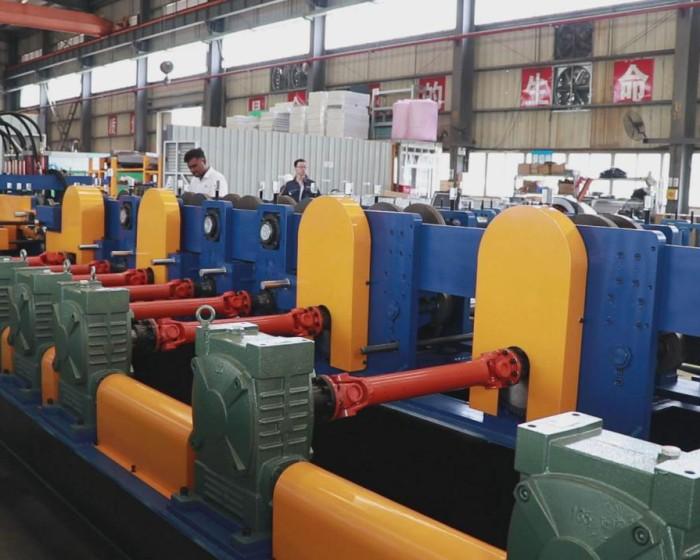
As manufacturing industries continue to pursue higher productivity and better product quality, automation has become a key factor in modern production environments. Companies are increasingly investing in advanced machinery that can streamline operations, reduce manual labor, and improve overall manufacturing performance.
Automated roll forming machines have emerged as an effective solution for producing steel profiles with speed and precision. Whether manufacturing structural components, roofing materials, or steel framing systems, modern equipment such as a c purlin machine and cold formed steel machine helps businesses achieve consistent production results while meeting growing market demands.
The Growing Demand for Automated Roll Forming Technology
Manufacturers today face increasing pressure to deliver high-quality products within shorter production timelines. Traditional fabrication methods often require multiple processing stages and significant manual involvement, which can affect efficiency and production consistency.
Automated roll forming technology provides a more reliable alternative. By integrating advanced control systems and automated operations, manufacturers can produce steel profiles continuously while maintaining accurate dimensions and consistent quality standards.
As industries continue to embrace automation, roll forming equipment is becoming an essential part of modern manufacturing facilities.
Benefits of Automated Roll Forming Machines
Higher Production Speed
One of the biggest advantages of automated roll forming machines is their ability to operate continuously at high production speeds. Automated systems reduce interruptions and allow manufacturers to process large production volumes more efficiently.
This helps companies increase output while meeting strict delivery schedules and customer requirements.
Improved Product Consistency
Maintaining consistent product quality is critical in steel manufacturing. Automated roll forming equipment uses precise control systems to ensure uniform profile dimensions throughout the production process.
This consistency helps reduce production errors and supports reliable performance in construction and industrial applications.
Reduced Labor Requirements
Automation minimizes the need for manual handling and machine adjustments during production. This allows operators to focus on monitoring system performance and quality control rather than performing repetitive tasks.
As a result, manufacturers can improve productivity while optimizing workforce utilization.
Better Material Utilization
Modern roll forming systems are designed to process materials efficiently while minimizing waste. Accurate profile forming and cutting capabilities help manufacturers maximize raw material usage and reduce unnecessary production losses.
This contributes to lower operating costs and improved manufacturing efficiency.
Enhanced Operational Reliability
Automated machines are built to deliver stable and repeatable performance over extended production periods. Advanced monitoring systems help maintain smooth operations and reduce the likelihood of unexpected production disruptions.
This reliability is especially valuable for facilities handling high-volume manufacturing projects.
Applications of Automated Roll Forming Machines
Automated roll forming technology supports production across a wide range of industries, including:
- Steel building construction
- Industrial warehouses
- Commercial facilities
- Agricultural structures
- Roofing and cladding systems
- Steel framing projects
- Infrastructure developments
- Manufacturing facilities
Its versatility makes automated roll forming a valuable solution for both large-scale and specialized production requirements.
Choosing the Right Roll Forming Machine
When selecting an automated roll forming system, manufacturers should consider factors such as production capacity, automation level, machine durability, profile flexibility, and maintenance requirements.
Businesses investing in a c purlin machine or cold formed steel machine should also evaluate production efficiency, control system capabilities, and long-term operational performance. A well-designed machine can help improve productivity while supporting future business growth.
For manufacturers seeking reliable steel profile production solutions, advanced automated roll forming equipment offers the precision, efficiency, and consistency required in today's competitive market.
Conclusion
As manufacturing continues to evolve, automation is becoming increasingly important for improving productivity and maintaining quality standards. Automated roll forming machines provide an efficient solution for producing steel profiles with speed, accuracy, and reliability.
Whether using a c purlin machine for structural applications or a cold formed steel machine for diverse steel profile production, automated systems help manufacturers reduce labor requirements, improve consistency, and increase overall operational efficiency. As a result, automated roll forming technology is playing a significant role in the future of modern manufacturing.