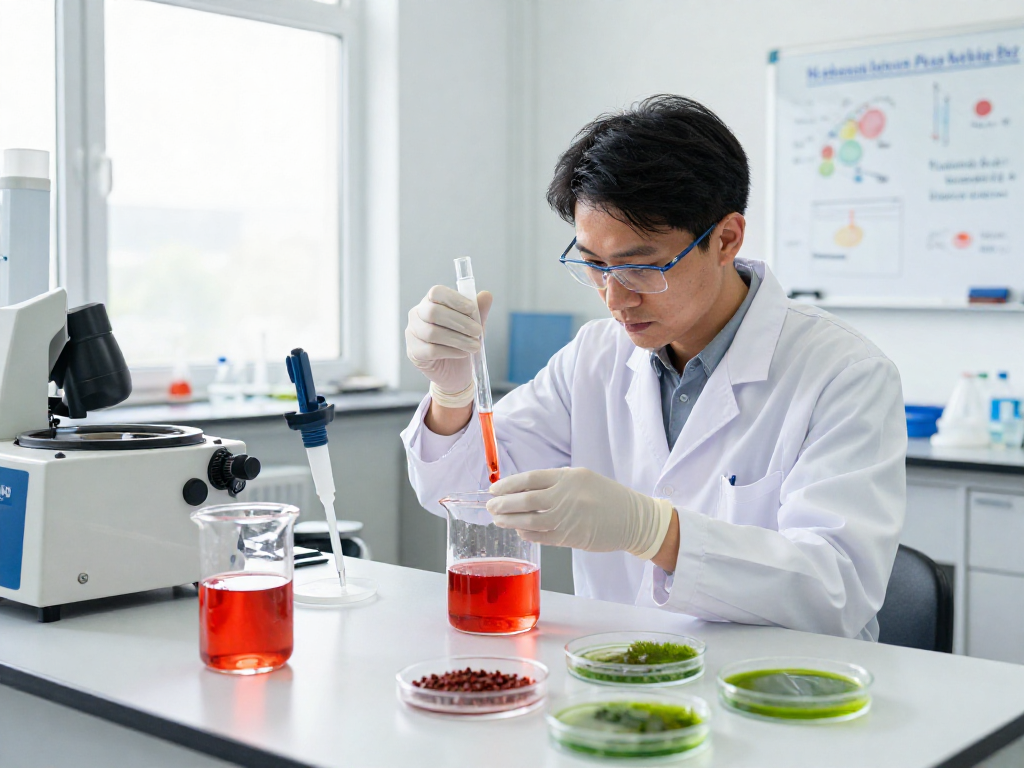
The Power of Haematococcus pluvialis Astaxanthin
Haematococcus pluvialis astaxanthin is a potent antioxidant derived from a microalga known for its vibrant red pigment. This unique compound has garnered significant attention for its myriad health benefits, offering a natural alternative to synthetic antioxidants. As we explore the exceptional properties of astaxanthin, it becomes clear why it is considered one of the most powerful carotenoids known to science. Not only does it possess remarkable antioxidative capabilities, but it is also linked to a multitude of health advantages, making it a popular choice in the nutraceuticals market. When exploring options, Haematococcus pluvialis astaxanthin provides comprehensive insights into these benefits.
What is Haematococcus pluvialis Astaxanthin?
Haematococcus pluvialis is a green microalga that produces astaxanthin as a protective measure against environmental stressors, such as UV radiation and nutrient deprivation. This adaptation results in the accumulation of astaxanthin, a carotenoid that gives the algae its distinctive red color. Found in various aquatic organisms, including salmon, shrimp, and flamingos, astaxanthin is a powerful antioxidant that protects cells from oxidative damage. Its unique molecular structure allows it to neutralize free radicals and reduce inflammation, making it an integral component of many dietary supplements.
The Science Behind Astaxanthin's Benefits
The efficacy of astaxanthin stems from its ability to cross the blood-brain barrier and its superior antioxidant activity compared to other carotenoids. Research has shown that astaxanthin is up to 6000 times more effective than vitamin C and 800 times more powerful than coenzyme Q10 at scavenging free radicals. This potency makes it particularly effective in combating oxidative stress, which is linked to a variety of chronic diseases and aging processes. Additionally, studies indicate that astaxanthin can enhance mitochondrial function, thereby increasing energy levels and promoting overall well-being.
Comparing Astaxanthin to Other Antioxidants
While astaxanthin is renowned for its antioxidant properties, it is essential to compare its effectiveness with other common antioxidants. For instance, vitamin E and beta-carotene, though beneficial, cannot match the broad spectrum of benefits provided by astaxanthin. Unlike these antioxidants, astaxanthin's unique structure allows it to operate in both aqueous and lipid environments, ensuring comprehensive protection across various cellular structures. Moreover, due to its anti-inflammatory properties, astaxanthin contributes to heart health, cognitive function, and skin vitality, making it a superior choice in nutritional supplementation.
Health Benefits of Astaxanthin
Supporting Skin Health and Anti-Aging
Astaxanthin has been extensively researched for its skin health benefits, particularly in combating the signs of aging. It is known to improve skin elasticity, reduce the appearance of fine lines, and enhance overall skin texture. Clinical studies reveal that participants who consumed astaxanthin experienced increased hydration and reduced sun damage, indicating its protective effects against UV radiation. Furthermore, astaxanthin's anti-inflammatory properties contribute to a healthy complexion by minimizing redness and irritation, making it a favored ingredient in skincare formulations.
Enhancing Athletic Performance and Recovery
Astaxanthin has gained popularity among athletes due to its potential to enhance physical performance and accelerate recovery. Research suggests that astaxanthin can improve endurance by increasing the capacity for exercise and reducing fatigue. Its ability to reduce muscle soreness and inflammation post-exercise further contributes to quicker recovery times, allowing athletes to train more effectively. As a result, many sports nutrition products now include astaxanthin to help athletes maximize their performance while minimizing recovery downtime.
Boosting Eye Health and Vision
Eye health is another critical area where astaxanthin demonstrates significant promise. Its potent antioxidant properties help protect the eyes from oxidative stress caused by exposure to digital screens, UV light, and environmental pollutants. Studies indicate that astaxanthin may improve visual acuity, reduce eye strain, and promote overall eye health by supporting retinal function. Additionally, its anti-inflammatory properties may assist in conditions like macular degeneration and diabetic retinopathy, making it a valuable supplement for maintaining optimal vision.
Applications in Nutraceuticals and Supplements
Current Trends in Astaxanthin Supplements
The nutraceutical industry has seen a surge in the popularity of astaxanthin supplements over the last few years. With growing awareness of its health benefits, consumers are increasingly seeking out natural sources of antioxidants. Astaxanthin is available in various forms, including soft gels, powders, and oils, catering to different preferences and dietary needs. As the market continues to expand, manufacturers are focusing on developing high-quality, bioavailable formulations to maximize the effectiveness of astaxanthin in consumers' daily routines.
Formulations: Oils, Capsules, and Powders
Astaxanthin is offered in several formulations, each with its advantages. Oils are often utilized for their high bioavailability, allowing for better absorption in the body. Capsules provide convenience and precise dosing, while powders are versatile and can be easily added to smoothies and recipes. The choice of formulation may depend on individual lifestyle preferences and specific health goals, but it is essential to select products that are sustainably sourced and free from contaminants to fully enjoy astaxanthin's benefits.
Market Outlook for 2026 and Beyond
Looking ahead, the astaxanthin market is poised for significant growth. With a projected increase in consumer interest in natural health products and wellness solutions, the demand for high-quality astaxanthin supplements is expected to rise. Innovations in extraction and cultivation methods will likely enhance quality and sustainability. Moreover, as research continues to unveil new health benefits related to astaxanthin, the industry will likely see even broader applications across functional foods, beverages, and cosmetics. This growth presents an exciting opportunity for businesses and consumers alike.
Regulatory Perspectives on Astaxanthin
Understanding Compliance and Safety Standards
As the popularity of astaxanthin grows, so does the need for regulation to ensure safety and efficacy. Organizations like the FDA and EFSA have set guidelines to govern the use of astaxanthin in dietary supplements. Manufacturers must comply with Good Manufacturing Practices (GMP) and ensure that products are accurately labeled to reflect their content. Consumers should be aware of these regulatory standards when choosing astaxanthin supplements to ensure they are selecting high-quality products.
Global Market Regulations for Nutraceuticals
The regulatory landscape for nutraceuticals varies by region, impacting how astaxanthin is marketed and sold. In the United States, the FDA classifies astaxanthin as a Generally Recognized as Safe (GRAS) substance, but manufacturers must still demonstrate safety through rigorous testing. In Europe, the European Food Safety Authority (EFSA) evaluates health claims before they can be used in marketing. Understanding these regulations empowers consumers to make informed choices and encourages manufacturers to uphold safety standards.
Future Regulatory Trends Impacting Astaxanthin
As scientific understanding of astaxanthin evolves, future regulatory trends will likely focus on more stringent safety assessments and health claim approvals. Transparency in sourcing and production methods will become increasingly important, leading to a demand for clear labeling and certification processes. Consumers are becoming more educated about their health choices, and regulatory bodies are following suit to ensure that supplements meet high safety and efficacy standards. Businesses must adapt to these changes to remain competitive in the ever-evolving market.
Future Innovations and Research Directions
Emerging Research on Haematococcus pluvialis
Current research into Haematococcus pluvialis and its astaxanthin production is on the rise. Innovative cultivation techniques, such as photobioreactors and controlled environments, are being explored to enhance astaxanthin yield. These advancements not only improve the efficiency of production but also ensure that the environmental impact is minimized. Additionally, research into the genetic modification of Haematococcus pluvialis aims to create strains with higher astaxanthin concentrations, which could revolutionize the nutraceuticals industry.
Potential New Applications in Health
As studies continue to explore the benefits of astaxanthin, new applications in health are emerging. Research is delving into its potential roles in managing metabolic disorders, cardiovascular health, and even neuroprotective effects. The ability of astaxanthin to influence inflammation and oxidative stress makes it a candidate for addressing various health conditions, including diabetes and neurodegenerative diseases. These exciting developments may lead to new therapeutic uses for astaxanthin in clinical settings.
Future Challenges and Opportunities in the Market
The growing demand for astaxanthin presents both challenges and opportunities for the industry. Sustainable sourcing and production practices will be crucial in meeting consumer expectations while protecting the environment. Additionally, navigating regulatory frameworks will require diligence from manufacturers to ensure compliance with safety and quality standards. However, the continued interest in natural health products and the unveiling of new astaxanthin benefits will create opportunities for innovation and market expansion, making it an exciting time for stakeholders in the nutraceuticals sector.
What are the main sources of astaxanthin?
The primary natural source of astaxanthin is the microalga Haematococcus pluvialis. Other notable sources include certain fish, such as salmon and trout, as well as shellfish like shrimp and lobster, which derive the pigment from their diet of microalgae and plankton.
How is Haematococcus pluvialis cultivated?
Haematococcus pluvialis is cultivated using both outdoor and indoor methods. Outdoor cultivation involves utilizing ponds or closed systems that rely on natural sunlight to optimize growth. Indoor systems, such as photobioreactors, offer controlled environments, allowing for year-round production and higher astaxanthin yields.
What dosage of astaxanthin is considered effective?
The recommended dosage of astaxanthin varies depending on the intended health benefits but is generally considered safe at levels ranging from 4 to 12 mg per day. However, consulting with a healthcare professional before starting any supplementation is advisable to determine the appropriate dosage for individual needs.
Are there any side effects of taking astaxanthin?
Astaxanthin is generally well-tolerated, with few reported side effects. Some individuals may experience mild gastrointestinal discomfort, such as bloating or diarrhea, particularly at higher doses. It is advisable to start with lower doses and gradually increase as needed while monitoring for any adverse reactions.
How does astaxanthin compare to other carotenoids?
Astaxanthin stands out among carotenoids due to its superior antioxidant properties and ability to cross cellular membranes more effectively than others, such as beta-carotene or lutein. While all carotenoids provide health benefits, astaxanthin's unique molecular structure gives it enhanced capability to combat oxidative stress and inflammation.