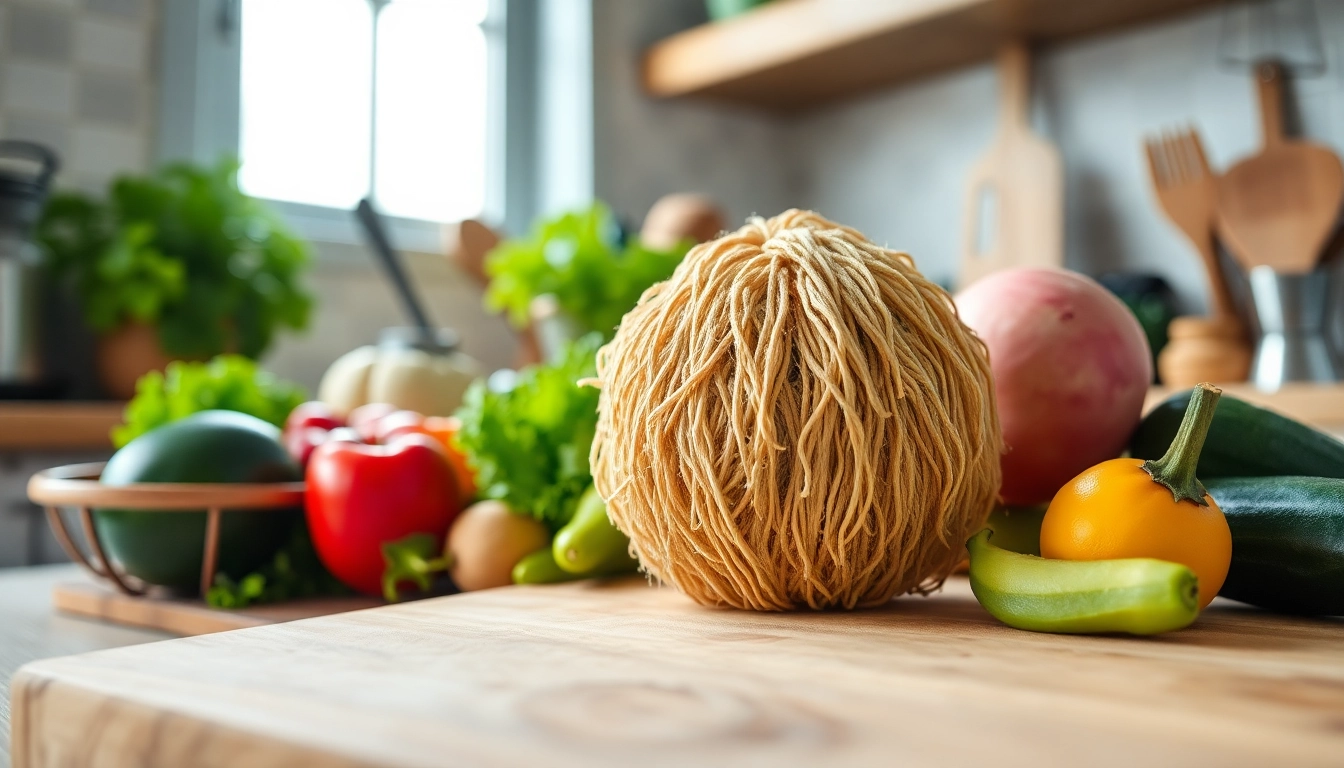
Understanding the Benefits of Kitchen Loofah
Natural Cleaning Power of Kitchen Loofah
The kitchen is often the heart of the home, a place where meals are prepared and memories are created. However, it can also be a breeding ground for bacteria and grime. Enter the kitchen loofah, an effective and natural cleaning tool that has been gaining popularity among environmentally conscious consumers. Unlike synthetic sponges, kitchen loofahs are derived from natural materials, specifically the fibrous interior of the loofah gourd. This plant-based nature allows them to scrub, scour, and clean effectively without the need for harsh chemicals. The unique texture of a kitchen loofah facilitates thorough cleaning of various surfaces, making it ideal for washing dishes, scrubbing pots and pans, and even wiping down countertops. Its ability to create lather with soap increases its effectiveness, providing a natural cleaning solution that is not only efficient but also safe for your family.
Eco-Friendly Attributes of Kitchen Loofah
In today's world, eco-conscious consumers are increasingly seeking alternatives to plastic-based products. The kitchen loofah stands out in this arena for its sustainability. Not only is it biodegradable, but it is also grown without harmful pesticides, making it a safe choice for both family health and the environment. Furthermore, using a kitchen loofah reduces waste associated with conventional sponges, which typically end up in landfills and take hundreds of years to decompose. Switching to a loofah means lower environmental impact and contributes to a circular economy. When you’re done with a kitchen loofah, it can be composted, returning nutrients to the soil instead of cluttering landfills.
Comparison with Conventional Sponges
When comparing kitchen loofahs to conventional sponges, several distinct advantages stand out. First, kitchen loofahs are made of natural fibers that are less likely to harbor harmful bacteria compared to synthetic sponges. Studies indicate that sponges can accumulate high levels of bacteria, raising concerns about food safety in culinary environments. Additionally, loofahs tend to last longer when cared for properly. Their natural fibers withstand wear and tear better than synthetic sponges, ultimately making them a cost-effective solution over time. Lastly, the versatility of kitchen loofahs allows them to be used not only in cleaning but also in other practical applications, further enhancing their value.
How to Properly Use a Kitchen Loofah
Preparation and Care Tips
Proper use and care of your kitchen loofah can extend its life and maintain hygiene. Initially, soak the kitchen loofah in warm water for about 10-15 minutes before use. This softens the fibers, making it gentler on surfaces while still offering robust scrubbing power. After each use, rinse the kitchen loofah well to remove food particles and soap residue. Squeeze out excess water gently to avoid damaging the fibers. Store it in a dry and well-ventilated area to prevent mold and mildew growth, ensuring that it remains in optimal condition for future use.
Effective Cleaning Techniques
Using a kitchen loofah effectively requires a few techniques to maximize its potential. For general dishwashing, apply a small amount of liquid soap directly onto damp loofah. Circular scrubbing motions can help lift food debris and grease effectively. For tough stains or baked-on food, consider soaking the item in warm water before applying the loofah. For surfaces like granite or marble, avoid excessive pressure to prevent scratching; instead, allow the loofah to do the work. In bathrooms, a necessary precaution is to use a separate kitchen loofah to prevent cross-contamination from kitchen bacteria.
When to Replace Your Kitchen Loofah
Understanding when to replace your kitchen loofah is critical in maintaining kitchen hygiene. Generally, if your kitchen loofah starts exhibiting signs of wear, such as fraying, discoloration, or a persistent odor despite cleaning, it’s time to replace it. A good rule of thumb is to replace your kitchen loofah every 3-4 weeks, depending on usage and cleaning needs. To ensure consistent freshness, keep a few loofahs on hand and rotate them to allow for drying between uses.
Recipes and Uses Beyond Cleaning
Kitchen Loofah in Natural Scrubs
The benefits of a kitchen loofah extend beyond its cleaning capabilities. They can be harnessed in DIY beauty applications, particularly for natural scrubs. Finely ground loofah can be blended with ingredients like coconut oil, sugar, or coffee grounds to create exfoliating scrub products. For a simple recipe, combine one cup of sugar, half a cup of coconut oil, and a few teaspoons of finely chopped kitchen loofah to create a natural body scrub. This product not only exfoliates but also hydrates the skin, thanks to the moisturizing properties of coconut oil.
Creative Uses in Home Decor
Beyond cleaning and personal care, kitchen loofahs can bring a rustic charm to your home decor. When cut and dried, loofahs can serve as delightful decorative sponges, ideal for creative craft projects. These natural sponges can be turned into unique items such as coasters, ornaments, or even wall hangings. Pairing loofahs with natural fibers and other plant materials can create an earthy aesthetic in your home. They can also be adorned with paint or fabric to match specific themes and can serve as eco-friendly gifts for any occasion.
Infusing Scents into Your Kitchen
Kitchen loofahs can also be infused with essential oils to serve a dual purpose: cleaning and scenting your space. By soaking your kitchen loofah in a step of diluted essential oils like lemon or lavender, you can create a fragrant cleaning tool that freshens your kitchen as you scrub. After infusing, let the loofah dry before using it. The scent will dissipate gradually through regular use, providing not only cleaning power but also a delightful aroma that can elevate your kitchen experience.
Maintaining Hygiene with Kitchen Loofah
Cleaning and Storing Your Kitchen Loofah
In order to maintain the essential hygiene of your kitchen loofah, it’s crucial to clean and store it properly after each use. Rinse it thoroughly under warm water, squeezing out any excess moisture to prevent bacteria from flourishing. You can also disinfect the kitchen loofah weekly by soaking it in vinegar or a diluted bleach solution. After sanitizing, rinse it thoroughly and allow it to air dry completely. Store your loofah in a well-ventilated area, out of direct sunlight, to preserve its integrity and prolong its lifespan. Hanging it on a hook or in a mesh bag can facilitate air circulation, keeping it fresh.
Avoiding Bacteria Growth
Bacteria can pose a significant health risk in kitchen environments, making it vital to minimize its growth on tools like kitchen loofahs. To avoid bacterial proliferation, always ensure that your kitchen loofah is thoroughly rinsed and dried after each use. Avoid using loofahs on raw meat or poultry dishes and maintain separate cleaning tools for varied areas in your kitchen. Regularly disinfecting the loofah and replacing it as needed will further safeguard your kitchen from harmful microbes.
Signs of Wear and How to Identify Them
Being aware of the signs of wear is essential for maintaining a clean and safe kitchen experience. Key indicators that it may be time to replace your kitchen loofah include a change in texture; frayed edges; discoloration; or any unpleasant odor that persists after cleaning. If your loofah starts to crumble or breaks apart easily, it’s a sign that it’s no longer effective for cleaning tasks. Keeping an eye on these details will ensure that you consistently use a sanitary tool in your kitchen.
Frequently Asked Questions About Kitchen Loofah
What is a kitchen loofah made from?
A kitchen loofah is made from the fibrous interior of the loofah gourd, a plant belonging to the cucumber family. It’s natural and biodegradable, making it an excellent cleaning tool.
How often should I replace my kitchen loofah?
It is advisable to replace your kitchen loofah every 3-4 weeks, depending on its usage. Signs of wear, like odor or fraying, indicate the need for replacement.
Can kitchen loofah be composted?
Yes, kitchen loofahs are biodegradable and can be composted. They break down naturally, returning nutrients to the soil.
Is kitchen loofah safe for nonstick cookware?
Yes, kitchen loofahs are gentle enough for nonstick cookware. However, always use light pressure to avoid scratching the surface.
How to clean a kitchen loofah effectively?
To clean a kitchen loofah, rinse it thoroughly to remove food particles, then soak it in vinegar or a diluted bleach solution for disinfection. Rinse well and air dry before storing.