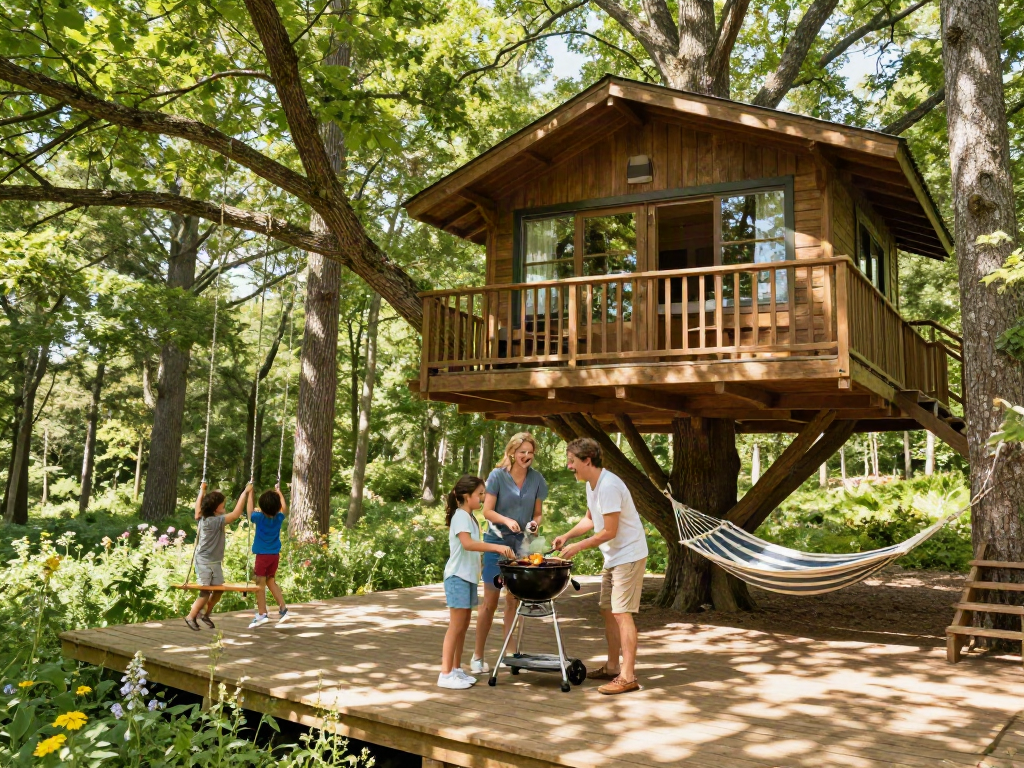
Introduction to Tree House Life
The concept of tree house life has captivated imaginations for generations, conjuring images of adventure, exploration, and a deep connection with nature. Living in a treehouse allows individuals to escape the noise of conventional lifestyles and immerse themselves in an elevated sanctuary, where the rustle of leaves and the songs of birds replace the hum of everyday life. In today’s world, this dream is becoming a tangible reality as more people seek unique living spaces that resonate with their personal values and aspirations. The rise of tree house life exemplifies not just a trend in design but a shift towards sustainable living, community building, and enhanced quality of life.
When exploring options, tree house life offers comprehensive insights into crafting the perfect elevated home, merging creativity with functionality.
What is Tree House Life?
Tree house life refers to the lifestyle and culture surrounding the construction and habitation of treehouses. This unique way of living appeals to both children and adults, rapidly growing in popularity among those who value sustainability and a return to nature. Treehouses can be simple structures designed for recreation or elaborate dwellings equipped with modern amenities. This versatility makes tree house life accessible to a broad audience looking for alternative living arrangements or a unique holiday experience.
The Benefits of Living in a Treehouse
- Connection with Nature: Tree houses are often situated among treetops, allowing inhabitants to enjoy stunning views and the tranquility of nature.
- Eco-Friendliness: Many treehouses are built using sustainable materials and practices, reducing their environmental impact.
- Privacy and Seclusion: Elevated living provides a sense of security and privacy, far from the hustle and bustle of urban settings.
- Adventure and Inspiration: The novelty of living in a treehouse can inspire creativity and promote a sense of adventure for both children and adults.
Understanding the Appeal of Elevated Living
The appeal of elevated living lies in its ability to foster a deeper connection with the environment. Studies indicate that engaging with nature can significantly enhance mental wellbeing, reduce stress, and even boost creativity. For many, a tree house offers a chance to step away from the fast-paced lifestyle found in urban areas, providing an opportunity to live in harmony with nature.
Designing Your Dream Tree House
Designing a tree house requires careful consideration of various factors, from location and aesthetic appeal to practical features that make it a livable space. A successful tree house should harmoniously blend with its surroundings while still catering to the needs of its inhabitants.
Key Features for a Functional Tree House
- Spacious Layout: While treehouses can be compact, an efficient layout maximises space, including multifunctional furniture.
- Natural Light: Large windows or skylights can enhance the brightness and feel of the space, promoting a connection to the outdoors.
- Strong Structural Integrity: Proper architectural design and construction are essential to ensure safety and durability.
- Access Points: Consideration should be given to how inhabitants will access the treehouse, whether through ladders, bridges, or stairs.
Choosing Suitable Materials for Construction
When selecting materials for building a tree house, it is crucial to opt for those that offer both strength and sustainability. Common choices include reclaimed wood, which not only reduces waste but also adds character to the structure. Additionally, utilising weather-resistant materials will prolong the lifespan of the treehouse and enhance safety.
Incorporating Eco-Friendly Practices in Design
In a world increasingly concerned about the environment, incorporating eco-friendly practices into tree house design is vital. This includes using sustainable sourcing for materials, implementing rainwater harvesting systems, and utilising solar panels for energy. Such practices not only reduce the ecological footprint but also promote a self-sufficient lifestyle.
Building a Sustainable Tree House
Constructing a tree house involves several essential steps that must be meticulously planned and executed to achieve a sustainable design. Understanding potential challenges can also help preemptively address issues related to construction.
Essential Steps for Tree House Construction
- Site Evaluation: Assess the location for tree health, soil stability, and surrounding environment.
- Design Planning: Create blueprints that include structural stability, access routes, and material choices.
- Obtaining Permits: Research local building regulations to ensure compliance with laws regarding tree houses.
- Construction: Follow the planned design while allowing for adjustments based on site conditions.
Common Challenges and Solutions in Building
While building a tree house can be rewarding, several challenges may arise. Factors such as securing permits, ensuring structural integrity, and accommodating the natural environment can complicate the process. Engaging with local experts in tree house construction can help navigate these challenges and offer solutions tailored to specific needs.
Permits and Regulations for Tree House Projects
Before embarking on a tree house build, it's vital to consult local regulations concerning construction and zoning. Some municipalities may have specific guidelines regarding tree height, property setbacks, and required permits. Adhering to these regulations ensures a smoother construction process and avoids potential legal issues in the future.
Living Your Best Tree House Life
Once the tree house is constructed, the next step is creating a comfortable, functional living space that seamlessly integrates with the surrounding environment.
Creating a Comfortable and Functional Space
The interior of a tree house should prioritise comfort while maximising the unique spatial offerings of elevated living. Incorporating elements such as natural furnishings, warm lighting, and thoughtful storage solutions can create an inviting atmosphere. Moreover, the use of large windows can foster a sense of openness and connection to nature.
Integrating Nature into Your Daily Life
One of the greatest joys of living in a tree house is the opportunity to immerse oneself in nature. Creating outdoor spaces such as decks, gardens, or rope bridges can allow residents to experience the beauty of their surroundings directly. Incorporating natural materials and greenery into the interior design can further enhance this connection.
Building Community around Tree House Living
Tree house life can also promote a sense of community, especially for those living in tree house clusters. Organising community events, sharing resources, and fostering friendships can create a supportive environment where individuals thrive together. This sense of belonging can significantly enhance overall living experiences and promote shared values of sustainability and nature appreciation.
Future Trends in Tree House Life
As the concept of tree house living evolves, new trends are emerging that are shaping the future of elevated living.
Innovative Designs for Modern Tree Houses
Modern tree houses are becoming increasingly sophisticated, incorporating cutting-edge designs and technology. Innovations such as prefabricated structures, smart home technology, and ultra-minimalist design principles are garnering interest. These advancements allow for more practical, sustainable, and stylish tree houses that cater to varying tastes and lifestyles.
Predicting Market Trends for Tree House Living in 2026
As interest in tree house living grows, the market is likely to see increased demand for bespoke tree house construction services. This trend will probably be driven by a combination of factors, including a heightened focus on sustainability and the desire for unique vacation experiences that offer a respite from city life. Additionally, eco-tourism is likely to flourish as more people seek immersive experiences in nature.
Exploring Tree House Communities and Eco-Tourism
Tree house communities are beginning to pop up around the world, offering a unique living experience that promotes sustainability and community living. These developments often combine multiple treehouses in a single area, creating an immersive environment where residents can share resources and experiences. Eco-tourism initiatives will likely enhance the attractiveness of tree houses, drawing visitors eager to engage with nature and explore the meaningful adventures these elevated homes provide.
What are the first steps in planning a tree house?
The planning process typically begins with defining the purpose of the tree house, choosing an appropriate site, and researching local building regulations.
How do you maintain a tree house?
Regular maintenance is crucial for ensuring the longevity and safety of a tree house. This includes checking structural integrity, treating wood, and ensuring that the surrounding trees remain healthy.
Can tree houses be built in any type of tree?
Not all trees are suitable for tree house construction. It's essential to choose a healthy, robust tree that can support the weight and design of the structure.
What amenities can be included in a tree house?
Modern tree houses can include many amenities such as plumbing, electricity, heating, and even outdoor kitchens, making them functional living spaces.
Are tree houses eco-friendly?
Tree houses can be eco-friendly if constructed using sustainable materials and practices, promoting a lifestyle that respects and preserves the environment.