
 By admin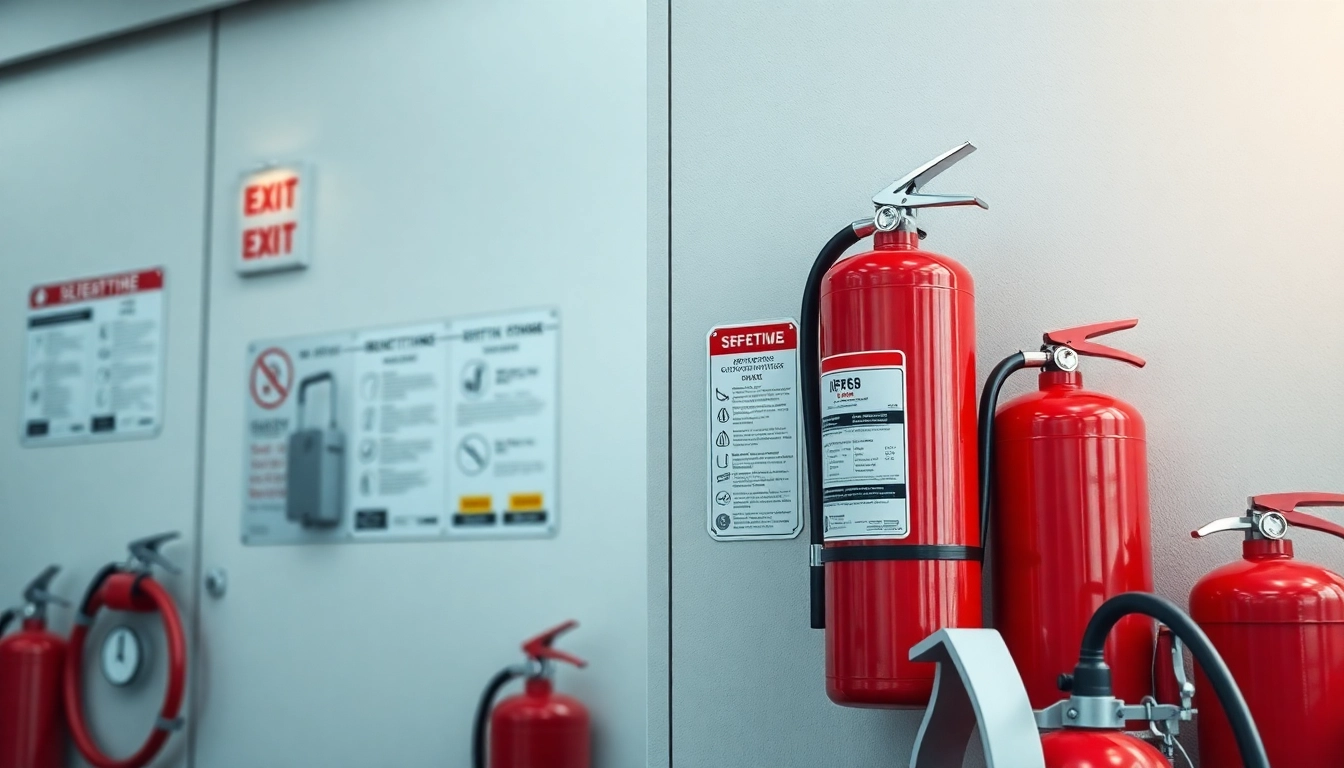
Understanding Electrical Fire Extinguishers
When it comes to safety in environments that use electrical equipment, having the right fire safety measures in place is essential. One of the critical components of this safety strategy is an electrical fire extinguisher. These specialized extinguishers are designed to combat fires caused by electrical malfunctions or equipment failures. Understanding how these extinguishers work, the types available, and the importance of selecting the right one can make a significant difference in emergency situations.
What is an Electrical Fire Extinguisher?
An electrical fire extinguisher is a firefighting device specifically designed to put out fires that involve electrical equipment. Unlike standard fire extinguishers, which might use water or foam, an electrical fire extinguisher is engineered to extinguish flames without conducting electricity. This makes them uniquely suited for situations where water would pose a further risk.
Fires ignited by electrical sources, categorized as Class C fires, can occur in residential, commercial, and industrial settings. Electrical fire extinguishers contain different types of agents, such as carbon dioxide (CO2) or dry chemical powders, that are effective in smothering flames and preventing re-ignition.
Types of Electrical Fire Extinguishers
Electrical fire extinguishers come in various types, each serving a unique purpose and suited for different environments. The most common types include:
- CO2 Extinguishers: These use carbon dioxide gas to displace oxygen, effectively smothering the fire. They leave no residue, making them ideal for use in environments with sensitive electrical equipment.
- Dry Chemical Extinguishers: These extinguishers utilize powdered chemicals to interrupt the chemical reaction of the fire. They are highly effective against electrical fires and are commonly found in many workplaces.
- Clean Agent Extinguishers: These work by displacing oxygen and are generally safe for electronic equipment. They are non-conductive and leave no residue.
Selecting the appropriate type of electrical fire extinguisher is vital for ensuring safety while maintaining the integrity of electronic equipment.
Importance of Choosing the Right Extinguisher
Choosing the right electrical fire extinguisher can significantly impact how effectively a fire is controlled or extinguished. Not only should the extinguisher be suitable for electrical fires, but it should also comply with local regulations and standards.
For instance, using a water-based extinguisher on an electrical fire can lead to severe consequences, including electrocution and exacerbating the fire. Therefore, it is crucial to consider the environment and specific needs when selecting fire extinguishers, ensuring they are easily accessible and properly marked.
Key Features of Electrical Fire Extinguishers
Class C Fire Extinguishers Explained
Class C fire extinguishers are specifically designed for fighting electrical fires. They use non-conductive materials to ensure safety and effectiveness. Understanding the characteristics and classifications of these extinguishers is critical for anyone managing workplace safety.
Class C extinguishers typically contain either CO2 or dry chemical agents. This classification indicates their suitability for fighting fires involving energized electric equipment, such as wiring, circuit breakers, and appliances.
Special Additives and Their Benefits
Many modern electrical fire extinguishers incorporate special additives to enhance their fire suppression capabilities. These may include:
- Wet Chemical Agents: Effective against flammable liquids and cooking fires, these can also be formulated to work on Class C fires, making them versatile.
- Dry Powder Agents: These not only extinguish the fire but also form a barrier that prevents re-ignition.
Understanding these additives and their functions can help safety managers make informed decisions about which extinguishers to stock and where to place them within their facilities.
How to Identify Quality Fire Extinguishers
Identifying a quality electrical fire extinguisher involves several criteria:
- Certification Marks: Look for labels from organizations like Underwriters Laboratories (UL) or the National Fire Protection Association (NFPA), which indicate that the extinguisher meets safety and performance standards.
- Manufacturer’s Specifications: High-quality extinguishers come with detailed operating instructions and a manufacturer’s warranty.
- Physical Condition: Check for any damage to the body, nozzle, or handle of the extinguisher. A quality extinguisher will also have a visible pressure gauge indicating its readiness for use.
Regular inspections and knowledge of these factors are key to maintaining effective fire safety measures.
Proper Usage Techniques
Step-by-Step Guide to Using an Electrical Fire Extinguisher
Knowing how to use an electrical fire extinguisher effectively is crucial. Here’s a simple step-by-step guide that adheres to the PASS technique:
- Pull the Pin: This unlocks the operating lever and allows you to use the extinguisher.
- Aim Low: Point the extinguisher’s nozzle at the base of the fire.
- Squeeze the Lever: Press down on the lever slowly to release the extinguishing agent.
- Sweep Side to Side: Move the nozzle from side to side, covering the fire area until the flames are out.
Understanding this process can increase confidence and efficiency in emergency situations where every second counts.
Common Mistakes to Avoid
Even with the right knowledge, mistakes during a fire emergency can still happen. Here are some common pitfalls to avoid:
- Using the Wrong Type of Extinguisher: Employing a water-based extinguisher on an electrical fire can be disastrous.
- Panic: Keeping a level head can allow you to use the extinguisher more effectively and assess your surroundings for safety.
- Not Calling for Help: Never underestimate the potential spread of a fire. Always call emergency services, even if you believe you can manage it on your own.
Being aware of these mistakes can save lives and property during emergencies.
Situations Requiring Specific Techniques
Not all electrical fires are the same; various settings and situations may require proper techniques tailored to the environment. Here are a few scenarios:
- Data Centers: For environments housing sensitive electronics, consider using a clean agent extinguisher to avoid equipment damage.
- Workshops: Industries involving machinery running on electric power should have dry chemical extinguishers easily accessible.
- Home Environments: Place extinguishers in locations with heavy electronic usage, such as kitchens, offices, or home theaters, ensuring they’re marked and easy to reach.
By adopting situational awareness and response techniques, individuals can effectively manage specific electrical fire risks.
Maintenance and Inspection of Fire Extinguishers
Routine Checks to Ensure Functionality
Regular maintenance and inspections of electrical fire extinguishers are crucial for ensuring they remain functional and effective. Here’s a routine checklist:
- Verify the pressure gauge is within the green zone.
- Inspect the extinguisher for any physical damage, such as dents, rust, or leaks.
- Ensure that the operating instructions are visible and legible.
- Confirm that the hanging bracket or stand is secure and not impaired.
Conducting these checks regularly (at least once a month) can greatly enhance the safety of your environment.
Signs That Indicate Maintenance is Needed
Recognizing potential issues with fire extinguishers can prevent failures in emergency situations. Key warning signs include:
- Pressure gauge reading outside of the recommended zone.
- Corrosion or damage to the extinguisher body.
- Disconnected or missing nozzles and hoses.
If any of these signs are found, it’s essential to take corrective action, which may include recharging or replacing the extinguisher.
Regulatory Compliance Requirements
Different regions have specific regulations concerning fire safety, including fire extinguisher maintenance and accessibility. It’s imperative to familiarize yourself with local and federal guidelines, typically outlined by organizations such as the Occupational Safety and Health Administration (OSHA) and the National Fire Protection Association (NFPA).
Compliance usually involves keeping records of maintenance, ensuring the appropriate types of extinguishers are available, and training staff in their use. Keeping abreast of these regulations can safeguard against legal liabilities and enhance workplace safety.
Emergency Planning and Training
Creating an Effective Fire Safety Plan
An effective fire safety plan is fundamental to a quick response in case of a fire. This plan should include detailed procedures for using fire extinguishers, including their locations and the types available at each site. It should also designate fire safety officers who are responsible for training and maintaining compliance with safety regulations.
Additional components to consider include:
- Clear exit routes for evacuation.
- Designated meeting areas outside of the building.
- Regular review and updates of the plan, especially after drills or actual incidents.
Training Employees on Fire Extinguisher Usage
Employee training is a vital part of an effective fire safety strategy. All personnel should undergo training sessions that cover:
- The importance of fire extinguishers and the types available.
- Hands-on practice using extinguishers in controlled mock scenarios.
- How to respond in an emergency, including evacuation protocols.
By familiarizing employees with fire safety measures, organizations can foster a culture of safety and preparedness.
Conducting Fire Drills and Safety Meetings
Regular fire drills are essential for ensuring that employees know how to respond quickly in the event of a fire. These drills should simulate real-life scenarios, providing opportunities for practice and feedback. Safety meetings can also reinforce the importance of adhering to safety protocols and reviewing any changes to regulations or safety equipment.
By incorporating these practical experiences into your fire safety program, organizations can enhance overall preparedness and minimize risks associated with electrical fires.
