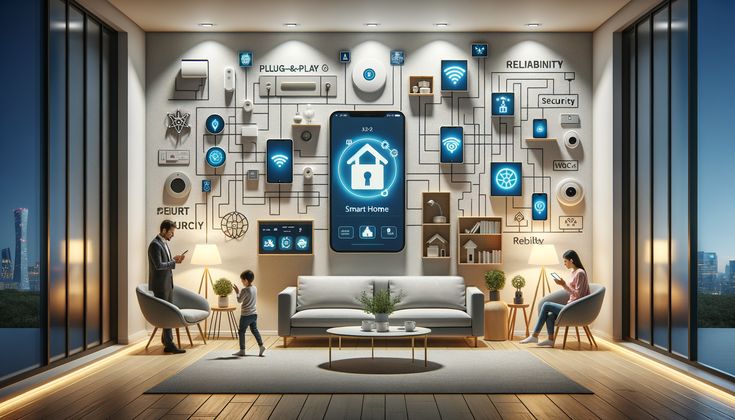
In today’s rapidly evolving technological landscape, transforming a traditional home into a Smart Home has become more accessible than ever. Once considered a luxury reserved for high-end households, Smart Home solutions now cater to various budgets, allowing homeowners to integrate intelligent systems, enhance security, and streamline daily routines without breaking the bank. This comprehensive guide explores cost-effective ways to embrace Smart Home technology while maintaining functionality, convenience, and long-term value.
Understanding the Benefits of a Smart Home
A Smart Home represents a living space equipped with interconnected devices and systems that can be controlled remotely or automated to improve comfort, efficiency, and safety. The core appeal of a Smart Home lies in its ability to centralize control of lighting, climate, entertainment, security, and appliances through a single interface, often via smartphones or voice commands.
Beyond convenience, Smart Home solutions provide energy efficiency, reducing electricity and water consumption through intelligent scheduling and monitoring. Security enhancements, such as automated locks, surveillance cameras, and motion sensors, offer peace of mind. Moreover, accessibility features support seniors and individuals with disabilities, enabling easier control of essential household functions. The combination of convenience, security, and energy management demonstrates why investing in a Smart Home is increasingly practical, regardless of budget constraints.
Key Components of an Affordable Smart Home
Creating an affordable Smart Home requires prioritizing devices and systems that offer maximum functionality while fitting your budget. Several essential components form the foundation of a cost-effective smart setup.
Smart Lighting
One of the simplest and most cost-effective ways to start your Smart Home journey is through smart lighting. Smart bulbs and switches can be installed without extensive electrical work, providing remote control, scheduling, and dimming capabilities. Users can program lights to turn on and off at specific times, simulate occupancy while away, and even adjust colors for ambiance. Entry-level smart bulbs are priced reasonably, making them an ideal starting point for any budget-conscious homeowner seeking a Smart Home upgrade.
Smart Thermostats
Smart thermostats are another critical component of an affordable Smart Home. These devices learn user preferences, adjust temperature settings based on occupancy, and provide energy usage reports, contributing to reduced utility bills. While premium models exist, basic smart thermostats offer sufficient automation, remote control, and integration with voice assistants, making them accessible for most households.
Security and Surveillance
Security remains a cornerstone of Smart Home technology. Affordable solutions include smart doorbells with cameras, motion sensors, and wireless security cameras. These devices often integrate with mobile apps, enabling real-time monitoring and notifications. Many entry-level options offer cloud storage for recorded footage or local storage through SD cards, balancing functionality and cost. Investing in these systems enhances safety without requiring professional installation or high upfront costs.
Smart Plugs and Outlets
Smart plugs transform conventional devices into automated or remotely controlled gadgets. By connecting lamps, fans, or kitchen appliances to smart plugs, homeowners can schedule operations, monitor energy consumption, and control devices remotely. Smart plugs are generally inexpensive and can be an effective first step toward a fully integrated Smart Home, particularly for individuals seeking automation without overhauling existing appliances.
Voice Assistants and Hubs
Voice-controlled assistants like Amazon Alexa, Google Assistant, or Apple HomeKit serve as central hubs for managing various smart devices. Affordable hubs or voice assistants streamline control across lights, thermostats, cameras, and entertainment systems. By consolidating management into a single interface, homeowners simplify their Smart Home experience while ensuring interoperability across different devices and brands.
Choosing the Right Smart Home Ecosystem
Selecting a compatible Smart Home ecosystem is critical to prevent future compatibility issues and ensure smooth operation. Popular ecosystems include Amazon Alexa, Google Home, and Apple HomeKit. Each platform has unique strengths, supported devices, and integration capabilities.
When building an affordable Smart Home, homeowners should focus on an ecosystem that aligns with their existing devices and priorities. For instance, those heavily invested in Apple products may benefit from HomeKit integration, while budget-conscious users might favor Alexa or Google Assistant due to the wide availability of affordable compatible devices. Strategic ecosystem selection minimizes redundancy, reduces costs, and ensures scalable smart solutions.
Smart Home Automation Ideas on a Budget
Automation is the heart of Smart Home technology, allowing devices to respond automatically to triggers or schedules. Implementing automation does not require high-end systems; even entry-level devices can deliver meaningful efficiency and convenience.
Lighting Schedules and Motion Detection
Automating lights based on occupancy or time of day can save energy and enhance convenience. For example, motion sensors can trigger hallway or stairway lights at night, while programmed schedules ensure exterior lights activate during dusk. Such automation is cost-effective, improves home safety, and demonstrates tangible benefits of a budget-friendly Smart Home setup.
Thermostat Optimization
Basic smart thermostats allow users to create heating and cooling schedules aligned with daily routines. Advanced features, such as geofencing, adjust the temperature when residents leave or return home, reducing energy waste. Even entry-level smart thermostats provide reports and analytics, helping households optimize usage without investing in expensive systems.
Security Automation
Affordable security automation includes combining door sensors, cameras, and motion detectors with mobile notifications. Smart locks can automatically engage when leaving the home, while cameras can record motion-triggered events. These features enhance safety, provide remote monitoring, and offer an intelligent solution for budget-conscious homeowners seeking a secure Smart Home environment.
Smart Plugs for Routine Tasks
Automation using smart plugs can simplify everyday routines. Users can schedule coffee makers, fans, or space heaters, ensuring devices operate efficiently without manual intervention. This method is particularly appealing for those entering the Smart Home ecosystem on a limited budget.
Energy Efficiency and Sustainability
One of the most compelling benefits of an affordable Smart Home is the potential for energy efficiency. Intelligent lighting, thermostats, and smart plugs help reduce unnecessary consumption, leading to lower energy bills and a smaller carbon footprint. Monitoring energy usage through smart apps provides actionable insights, empowering homeowners to make informed decisions.
Beyond cost savings, smart energy management contributes to environmental sustainability. Automating lighting, reducing standby power, and optimizing HVAC operation are practical ways to achieve both financial and ecological benefits. Budget-friendly Smart Home solutions therefore offer a dual advantage: immediate cost reduction and long-term environmental impact.
Entertainment and Convenience
Smart home technology enhances entertainment experiences and daily convenience. Affordable smart speakers, streaming devices, and media hubs allow centralized control of music, video, and gaming systems. Voice commands or app-based controls provide effortless interaction, while automation can schedule playlists or adjust lighting to match viewing or listening experiences. Even on a limited budget, homeowners can create immersive, intelligent entertainment environments.
Cost-Effective Tips for Building a Smart Home
Achieving a functional Smart Home without overspending requires planning, prioritization, and strategic choices. Start by assessing household needs, identifying key pain points, and determining which devices provide the most value.
Begin with core components such as lighting, thermostat, and security systems before expanding to auxiliary features. Consider purchasing devices that integrate with existing ecosystems to avoid additional costs. Utilize DIY installation wherever possible, and take advantage of bundled deals or promotions. Gradual adoption ensures affordability while allowing homeowners to experience tangible benefits at each stage of integration.
Overcoming Common Smart Home Challenges
While building an affordable Smart Home offers numerous advantages, homeowners may encounter challenges related to compatibility, connectivity, and learning curves.
Device Compatibility
Choosing devices that work seamlessly together is essential. Incompatible devices can create frustration, reduce functionality, and increase costs. Focusing on a single ecosystem minimizes these issues, ensuring devices communicate effectively and reducing the need for multiple apps or controllers.
Network Stability
A reliable Wi-Fi network is the backbone of any Smart Home. Budget-conscious homeowners should invest in a stable router and consider range extenders for larger homes. Poor connectivity can disrupt automation, notifications, and remote access, diminishing the smart experience.
Privacy and Security
Smart devices collect and transmit data, raising privacy concerns. Affordable Smart Home setups should include strong passwords, updated firmware, and secure network protocols. Selecting reputable brands and being aware of potential vulnerabilities ensures both affordability and safety.
Future-Proofing Your Smart Home
As Smart Home technology evolves, ensuring scalability and flexibility is crucial. Choose devices that receive regular software updates, support integrations with emerging standards, and allow expansion without requiring complete system replacement. By future-proofing, homeowners protect their investment and maintain the value of their affordable smart ecosystem.
Conclusion
Building an affordable Smart Home is no longer a distant dream reserved for the wealthy. With strategic planning, careful device selection, and a focus on automation, security, and energy efficiency, homeowners can create intelligent, connected spaces that enhance comfort, convenience, and safety. From smart lighting and thermostats to security systems and entertainment hubs, cost-effective solutions exist for every budget. Embracing these innovations empowers homeowners to experience the full potential of Smart Home technology while maintaining financial responsibility. For more insights, head over to our main site.
Frequently Asked Questions
What is a Smart Home and how does it work?
A Smart Home is a residence equipped with devices and systems that can communicate with each other and be controlled remotely. Devices like smart lights, thermostats, and security cameras connect to a network, often Wi-Fi, allowing users to automate functions, monitor activity, and manage household operations via apps or voice commands.
Can I create a Smart Home on a tight budget?
Yes, building a Smart Home on a budget is possible by prioritizing essential devices such as smart lighting, thermostats, and security systems. Affordable options like smart plugs, entry-level cameras, and voice assistants provide significant functionality without high upfront costs. Gradual implementation allows cost-effective expansion over time.
Are Smart Home devices compatible with each other?
Device compatibility depends on the chosen ecosystem. Popular ecosystems like Amazon Alexa, Google Home, and Apple HomeKit ensure interoperability within their respective platforms. Selecting devices that support a single ecosystem reduces compatibility issues, streamlines control, and maximizes the efficiency of a budget-friendly Smart Home.
How secure are affordable Smart Home solutions?
Affordable Smart Home devices can be secure if installed correctly and maintained. Using strong passwords, enabling two-factor authentication, and regularly updating firmware help protect personal data. Choosing reputable brands with good security practices further enhances safety without requiring expensive systems.
What is the easiest way to start automating my home?
The simplest way to begin automating a home is by integrating smart lighting, smart plugs, and a voice assistant. These devices allow scheduling, remote control, and basic automation without complex installation. Once familiar with these systems, homeowners can expand to thermostats, security, and other connected devices to build a fully functional Smart Home.