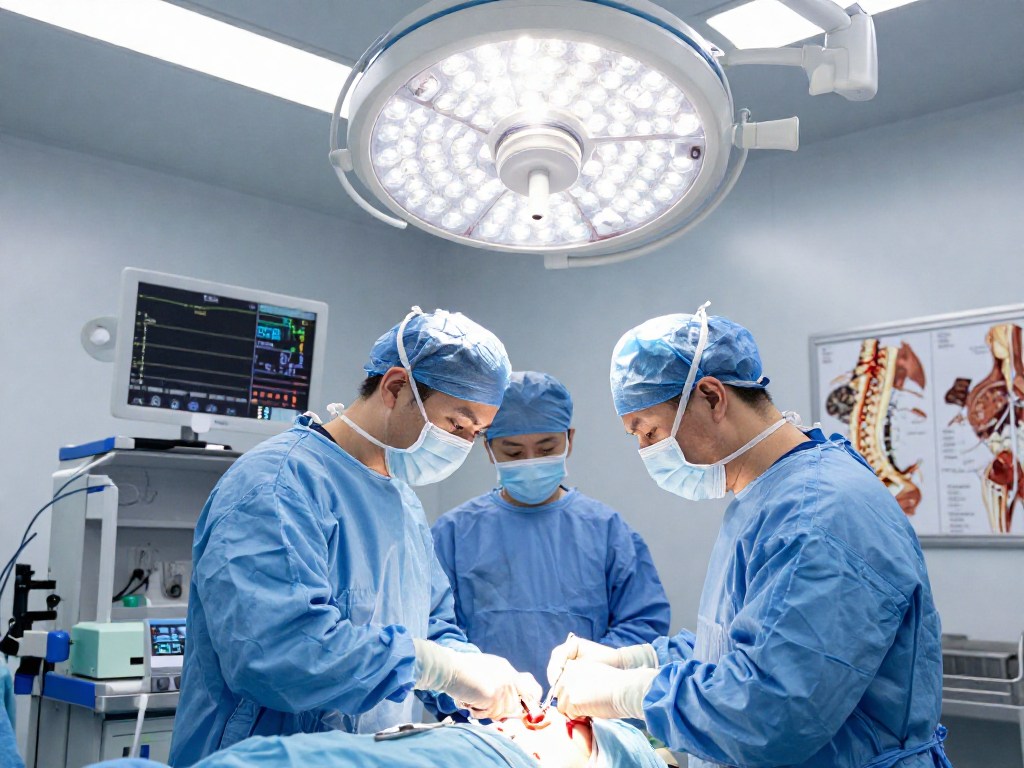
Understanding Bel Fıtığı Ameliyatı
Herniated disc surgery, known as bel fıtığı ameliyatı in Turkish, is a critical intervention for patients suffering from debilitating back pain and related neurological issues. This surgery becomes essential when conservative treatments fail to provide relief, or when severe symptoms arise indicating significant nerve compression. Understanding the indications for this surgery, the urgency of treatment, and the types of procedures available can empower patients to make informed decisions about their healthcare.
What is Herniated Disc Surgery?
Herniated disc surgery is a procedure aimed at relieving pressure on spinal nerves caused by displaced disc material. The surgery can be performed using various techniques, including traditional open surgery and minimally invasive approaches. The goal is to ease pain, restore mobility, and prevent further neurological damage. In many cases, patients can experience substantial relief from symptoms such as sciatica, which presents as pain that radiates from the lower back down to the legs.
Why is Surgery Needed?
There are several reasons why surgery may be necessary for bel fıtığı. If conservative treatments—such as physical therapy, pain medications, and corticosteroid injections—fail to alleviate symptoms after several weeks, surgical intervention may be considered. Furthermore, the development of severe symptoms, such as muscle weakness, loss of bladder or bowel control, or cauda equina syndrome, necessitates urgent surgical action to prevent permanent nerve damage.
Common Symptoms Indicating Surgery
- Severe pain radiating down the leg (sciatica).
- Weakness in the leg or foot muscles.
- Loss of sensation in the lower extremities.
- Bladder or bowel dysfunction.
- Persistent pain that does not improve with conservative treatment.
When to Consider Bel Fıtığı Ameliyatı
Deciding when to proceed with bel fıtığı ameliyatı involves careful consideration of symptoms, patient history, and diagnostic imaging results. Early intervention is often crucial, especially in cases involving significant nerve compression.
Indicators for Surgical Intervention
Key indicators for surgical consideration include persistent pain impacting daily activities, neurological deficits that are worsening, and specific diagnostic findings such as an MRI showing nerve compression. When exploring options, Bel fıtığı ameliyatı provides comprehensive insights into the indications and potential benefits of surgery.
Timing: How Urgent is the Situation?
Timing can significantly affect the outcome of surgery for herniated discs. Delaying surgery in the face of worsening symptoms can lead to irreversible damage. It is particularly critical to act within the first 24 hours in cases of acute weakness or loss of bladder/bowel function.
Risk Factors for Delay in Treatment
Several factors may delay treatment, including lack of access to healthcare, misdiagnosis, or a patient’s hesitance to opt for surgery. Patients should be aware of the importance of timely intervention to prevent further complications.
Types of Bel Fıtığı Ameliyatı Procedures
Various surgical techniques are available for treating herniated discs, each with its own set of risks and benefits. The choice of procedure largely depends on the specific conditions of the patient.
Open Surgery vs. Minimally Invasive Techniques
Open surgery involves making a large incision to access the affected disc, while minimally invasive techniques use smaller incisions and specialized instruments. Minimally invasive surgery often results in less postoperative pain, reduced recovery time, and lower complication rates.
Comparative Outcomes of Different Procedures
Studies have shown that minimally invasive techniques can lead to quicker recovery times and a lower incidence of complications compared to traditional open surgery. Patients often report similar long-term outcomes regarding pain relief and functionality.
Technology Used in Modern Surgery
Advancements in surgical technology, such as the use of intraoperative imaging and robotic assistance, have significantly improved the safety and efficacy of herniated disc surgeries. These technologies enable surgeons to operate with greater precision and minimize damage to surrounding tissues.
Post-Surgery Recovery Process
The recovery process following bel fıtığı ameliyatı can vary widely among patients. Understanding what to expect can help individuals better prepare for their postoperative journey.
Typical Recovery Timeline after Bel Fıtığı Ameliyatı
Most patients can expect to return to light activities within a few days after surgery, but complete recovery may take several weeks to months. Regular follow-ups with the healthcare provider are essential to monitor progress.
Rehabilitation and Physical Therapy Requirements
Postoperative rehabilitation involves physical therapy aimed at strengthening back muscles, improving flexibility, and preventing future injuries. Adhering to a rehabilitation plan is crucial for optimal recovery.
Managing Pain and Expectations Post-Operatively
While some discomfort is normal after surgery, significant pain should be reported to a healthcare provider. Pain management strategies may include medications, ice/heat therapy, and modified activities to support healing.
Future Trends in Bel Fıtığı Ameliyatı
The field of spinal surgery is rapidly evolving, with new techniques and technologies emerging that promise to improve patient outcomes dramatically.
Innovations in Surgical Techniques for 2026
Future trends may include enhanced minimally invasive procedures, increased use of robotic systems, and improved imaging technologies that will allow for even greater precision during surgery.
Patient-Centric Approaches in Treatment
As the healthcare landscape changes, patient-centric care approaches will likely become more prevalent, involving shared decision-making and personalized treatment plans based on individual patient needs.
Predicted Advances in Medical Technology
Looking ahead, advancements in biomaterials for spinal implants and regenerative medicine may change how spinal surgeries are approached, potentially leading to less invasive options and enhanced healing capabilities.
What are the main indications for bel fıtığı ameliyatı?
Main indications for surgery generally include severe, persistent pain, weakness in the limbs, and significant limitations in daily activities.
How long does recovery take after bel fıtığı ameliyatı?
Recovery time varies but often ranges from a few weeks to several months, depending on surgical technique, patient health, and adherence to rehabilitation guidelines.
What are the risks associated with bel fıtığı ameliyatı?
Risks may include infection, bleeding, nerve damage, and persistent pain. However, these risks are generally low with modern surgical techniques.
How effective is minimally invasive surgery for herniated discs?
Minimally invasive surgery has shown high success rates in relieving symptoms and improving function, with faster recovery times compared to traditional open surgery.
What advancements can we expect in bel fıtığı ameliyatı techniques?
Future advances may focus on refining minimally invasive techniques, making surgeries even safer, and optimizing recovery protocols.. Additionally, Bel fıtığı ameliyatı provides further details.