
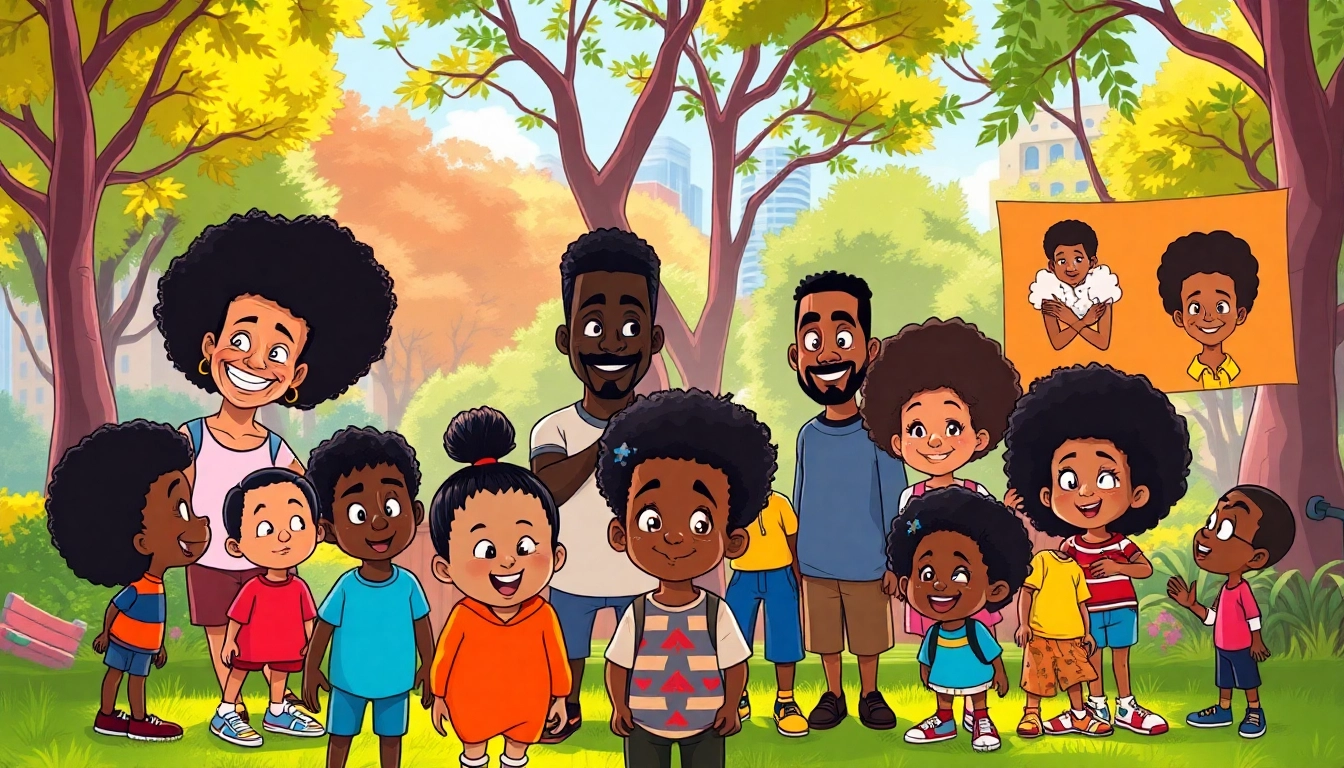
Understanding African American Cartoons
The world of animation has long been a canvas for cultural expression, and African American cartoons occupy a unique and significant space within this art form. From historical characters that embodied the struggles and triumphs of Black communities to contemporary animations that explore a diverse range of stories and themes, African American cartoons reflect the rich tapestry of the Black experience. When exploring options, African American Cartoons showcase this evolution of representation and creativity in the animation landscape.
Historical Significance of African American Cartoons
The roots of African American animation can be traced back to the early 20th century, with characters like Matt McGrew’s “The Bonehead,” which debuted in the 1920s. These early animations often perpetuated racial stereotypes, reflecting the societal attitudes of the time. However, as the civil rights movement gained momentum in the 1960s and 1970s, so did the push for positive representation in cartoons. Shows like “Fat Albert and the Cosby Kids” created by Bill Cosby, provided a platform for Black voices and experiences, paving the way for future generations.
Key Themes and Messages in African American Animation
One of the most profound aspects of African American cartoons is their ability to convey complex themes through accessible storytelling. Issues of identity, community, and resilience sit at the forefront of many series and films. For instance, “The Boondocks,” created by Aaron McGruder, uses satire to discuss social and political issues facing African Americans, while “The Proud Family” highlights family dynamics and cultural values in a comedic setting. These narratives not only entertain but also educate viewers about important cultural motifs.
Evolution of Representation in Cartoons
Over the years, there has been a significant shift in how African American characters are portrayed in animation. The diversity of characters now spans a range of backgrounds, professions, and experiences. Shows like “Doc McStuffins” introduce young audiences to characters that not only reflect their own identities but also serve as role models within the animation space. Modern animations are increasingly focusing on multi-faceted character development, significantly improving representation and breaking previously held stereotypes.
Top African American Cartoons to Watch in 2026
Must-See Animated Series for Kids
In 2026, several animated series stand out for their engaging storytelling and strong representation of African American culture. “Creek of the Creek” continues to gain traction among young audiences, showcasing a diverse cast of characters navigating childhood adventures. Similarly, “The Amazing World of Gumball” incorporates diverse backgrounds, including African American characters, breaking the mold of traditional character design.
Groundbreaking Shows for Teen Audiences
Teenagers today seek content that resonates with their experiences. “Steven Universe” and “Young Justice” are prime examples of shows that offer inclusive storylines and portray African American characters in nuanced ways. These series delve deeper into social issues such as identity, acceptance, and the importance of community, helping young audiences navigate their own journeys.
Classic Films that Shaped Black Animation
No discussion of African American cartoons is complete without acknowledging classic films that have laid the foundation for future animations. “The Princess and the Frog” broke barriers as the first Disney animated film featuring a Black princess. Moreover, “Soul,” released recently, explores themes of purpose and belonging through its deeply relatable African American protagonist. These films have not only contributed to the canon of animation but have also influenced the next generation of filmmakers and animators.
Impact of African American Cartoons on Culture
Influencing Young Minds: The Power of Representation
The impact of African American cartoons extends far beyond entertainment; they play a vital role in shaping young minds. Characters that reflect viewers' backgrounds foster self-esteem and cultural pride, encouraging children to embrace their identities. For instance, “Doc McStuffins” has been instrumental in inspiring young Black girls to pursue careers in medicine, emphasizing the importance of representation in STEM fields.
Community Engagement through Animation
Animation has the power to unite communities by addressing shared experiences and challenges. Series like “The Proud Family” tackle social issues such as discrimination, family dynamics, and community support in a manner that resonates with diverse audiences. These episodes often spark conversations within families and between friends, promoting understanding and solidarity.
Case Studies: Success Stories of Popular Characters
Examining characters like Huey and Riley Freeman from “The Boondocks” reveals how African American cartoons challenge conventional narratives. Their satirical take on societal issues encourages critical thinking among viewers. Similarly, Frozone from “The Incredibles” represents a positive Black superhero, allowing children to see themselves as heroes, thus altering the perception of Black characters in media altogether.
Future Trends in African American Animation
Emerging Artists and Their Contributions
The future of African American animation is bright, with emerging artists pushing the boundaries of creativity. Young animators such as Zazie Beetz and Matthew Cherry are making their marks in the industry, unearthing fresh narratives and perspectives that resonate with a broader audience. Their innovative approaches are essential for the evolution of diverse storytelling in animation.
Technological Advances in Animation
As technology advances, so does the landscape of animation. The rise of streaming platforms has democratized content creation, allowing independent creators to showcase their work without the barriers of traditional media. This shift has led to a significant increase in African American animated content, evidenced by web series that explore untold stories and unique character designs that reflect a diverse population.
Predictions for 2026 and Beyond
Looking ahead to 2026 and beyond, we can expect an increase in collaborative projects that involve African American content creators. Additionally, educational initiatives aimed at enhancing diversity in animation schools will cultivate future talent. These trends promise to enrich the animation industry with fresh voices and narratives that reflect a diverse world.
How to Support African American Animated Content
Platforms that Showcase Diverse Animation
Supporting African American animated content requires awareness of platforms that prioritize diversity. Services like Netflix and Hulu have shown a commitment to showcasing African American stories, but viewers can also explore independent streaming services that highlight underrepresented creators. Engaging with these platforms not only fosters inclusivity but also supports the artists behind the content.
Ways to Promote and Share Content
Once viewers find content they love, promoting and sharing it within their networks can amplify visibility. Social media platforms serve as powerful tools for sharing favorite shows and characters, encouraging dialogue and building community around African American animation. Hashtags like #BlackAnimation and #RepresentationMatters can help amplify these voices.
Engaging with the Community: Events and Collaborations
Engagement doesn’t stop at viewership. Participating in events that celebrate African American culture and animation provides opportunities to connect with creators and other fans. Collaborations between animation houses and schools can also foster mentorship programs that inspire the next generation of African American animators.