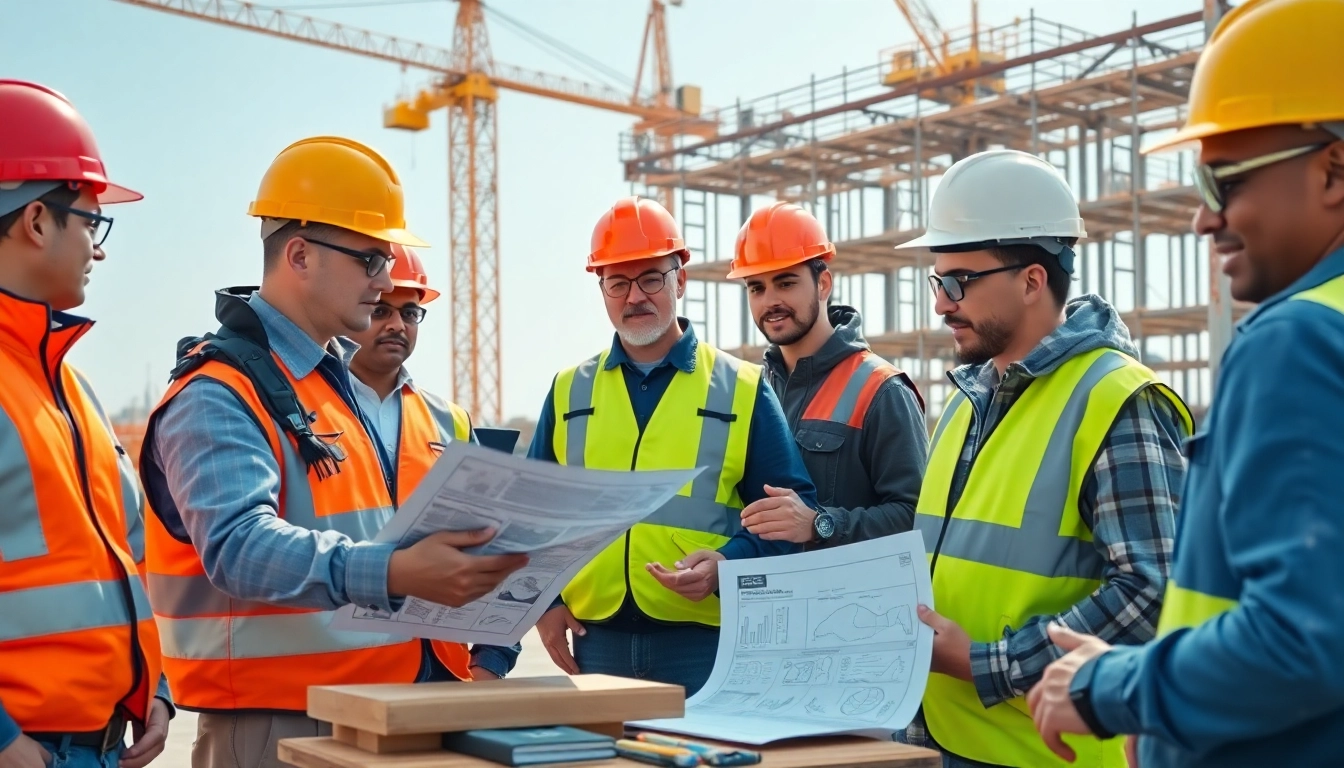
Understanding the Importance of Construction Safety Training
Construction sites are inherently dangerous places, and ensuring the safety of workers is paramount. Implementing robust construction safety training programs is not just a best practice but a moral and legal obligation. This article delves into the significance of safety training, outlines the key components for effective programs, and discusses best practices, challenges, and future trends in the realm of construction safety training.
Why Safety Training Matters in Construction
The construction industry consistently ranks among the most hazardous sectors in terms of workplace injuries and fatalities. Safety training is crucial for several reasons:
- Preventing Injuries: The primary goal of safety training is to reduce incidents and injuries on-site. Proper education on safe practices can significantly decrease the likelihood of accidents.
- Legal Compliance: Many jurisdictions have strict regulations governing workplace safety. Training workers ensures compliance with these laws, thus avoiding potential fines and legal issues.
- Boosting Morale: When workers feel safe, they tend to be more motivated and productive. A culture of safety fosters trust, which can translate into better collaboration and job satisfaction.
- Cost Management: The financial burden of workplace injuries can be immense. By investing in safety training, companies can mitigate costs associated with medical expenses, downtime, and potential lawsuits.
Common Hazards in the Construction Industry
Numerous hazards exist on construction sites that can lead to serious injuries or fatalities, including:
- Falls: Falls from heights are one of the leading causes of construction-related injuries. Implementing training on the use of harnesses and ladders is essential.
- Equipment-related Incidents: Heavy machinery poses risks if operators are not trained correctly. Understanding machinery operation and safety protocols is critical.
- Electricity: Working with or near electrical systems can be deadly if safety precautions are not adhered to. Training on identifying electrical hazards can prevent electrocution.
- Hazardous Materials: Many construction sites involve materials that require careful handling. Workers must be trained in proper procedures for managing substances like asbestos or chemicals.
Regulatory Requirements and Compliance
Adherence to safety regulations, such as those mandated by OSHA (Occupational Safety and Health Administration), is non-negotiable. Employers are required to train employees on safety standards relevant to their specific tasks. This entails:
- Understanding applicable regulations and staying updated on changes.
- Documenting training sessions and compliance with mandated safety protocols.
- Conducting regular safety audits to ensure ongoing compliance and identify training needs.
Key Components of an Effective Training Program
A successful construction safety training program is built on several foundational components. These include the identification of training needs, development of engaging content, and effective delivery methods.
Identifying Training Needs and Goals
Every effective training program begins with a needs assessment to determine what workers must learn. This process can include:
- Conducting surveys and interviews with workers and supervisors.
- Reviewing incident reports to identify recurring safety issues.
- Benchmarking against industry best practices to ensure alignment with safety standards.
Establishing clear, measurable goals is essential to track progress and improvements over time.
Developing Engaging Training Content
To maintain the attention of trainees and ensure retention of information, training content must be engaging. Tips for developing effective material include:
- Incorporating multimedia elements such as videos and infographics.
- Utilizing storytelling techniques to illustrate key safety concepts.
- Creating hands-on activities to reinforce learning through practical application.
The content should be relevant to the specific roles of the workers being trained, addressing their unique risks and safety challenges.
Utilizing Technology in Training Delivery
The integration of technology in training has transformed how safety education is delivered. Some effective technological tools include:
- Online Learning Modules: Flexible e-learning platforms allow workers to complete training at their own pace, accommodating varying schedules and learning speeds.
- Mobile Applications: Safety apps can provide on-the-go access to training materials, safety checklists, and accident reporting.
- Simulation Software: Virtual simulations offer highly realistic training environments where workers can practice safety procedures without real-world consequences.
Best Practices for Conducting Safety Training
Implementing best practices in safety training enhances its effectiveness and impact. Here are some strategies to achieve this:
Interactive Learning Methods
Interactive learning engages participants and helps reinforce their understanding of safety procedures. Effective methods include:
- Group discussions that encourage sharing of experiences and insights.
- Workshops that promote active participation through team activities.
- Q&A sessions where workers can ask questions in real-time and clarify doubts.
Incorporating Real-World Scenarios
Using case studies and real-world incidents can illustrate the consequences of lapses in safety protocols. Training should include:
- An analysis of past accidents to highlight lessons learned and necessary changes.
- The use of role-playing scenarios that replicate situations workers may face on the job.
- Debriefing sessions to discuss how specific actions could alter outcomes in real-life contexts.
Measuring Effectiveness of Training Sessions
Evaluating the success of safety training programs is crucial for continuous improvement. Effective measurement strategies include:
- Pre- and post-training assessments to gauge knowledge retention.
- Feedback surveys to collect participant evaluations and suggestions.
- Monitoring safety metrics over time to see if training correlates with a reduction in incidents.
Challenges in Construction Safety Training
While implementing effective construction safety training is critical, various challenges can arise. Identifying and addressing these obstacles is key to successful training endeavors.
Overcoming Knowledge Gaps Among Workers
Workers may enter a construction site with varying levels of familiarity with safety protocols. Addressing these knowledge gaps can involve:
- Customizing training based on the skill level of participants.
- Providing supplemental resources, such as one-on-one mentoring or additional materials for workers needing more support.
- Regularly assessing skills and knowledge to inform ongoing training adjustments.
Adapting Training for Diverse Audiences
Different workers will have unique learning styles and backgrounds, necessitating a flexible approach to training. Solutions include:
- Offering materials in multiple languages to accommodate non-native speakers.
- Utilizing varied teaching methods to reach auditory, visual, and kinesthetic learners.
- Gathering feedback from diverse groups to understand how training can be improved for all audiences.
Keeping Up with Regulations and Standards
The construction industry is dynamic, with regulations continuously evolving. Employers must stay ahead by ensuring:
- Regularly reviewing regulatory changes and updating training content accordingly.
- Participating in industry forums and associations to remain current on best practices.
- Investing in ongoing education for trainers to enhance their ability to deliver accurate information.
Future Trends in Construction Safety Training
As technology advances and the construction landscape evolves, so too will the methods for delivering safety training. Key future trends to watch include:
Virtual Reality and Simulation Training
The use of virtual reality (VR) in safety training is becoming more prevalent, offering immersive experiences that enhance learning. Benefits include:
- Safe environments for workers to practice procedures they might find intimidating.
- Realistic simulations that prepare workers for various emergency scenarios.
- The ability to revisit training sessions to reinforce understanding and skills.
Onboarding New Technologies in Safety Training
Emerging technologies such as wearable safety devices and augmented reality (AR) apps are beginning to influence the training landscape. These tools can:
- Provide real-time data on worker safety conditions.
- Enhance training delivery through interactive content and engagement.
- Facilitate the sharing of best practices and safety protocols among teams.
Sustainability and Safety in Modern Construction
The construction industry is increasingly focusing on sustainability alongside safety. Training programs will need to cover topics such as:
- Understanding the role of environmentally friendly practices in ensuring long-term safety.
- Addressing the impact of new sustainable materials on construction safety protocols.
- Fostering a culture of safety that aligns with sustainable development goals within construction projects.
In conclusion, the importance of construction safety training cannot be overstated. By recognizing the hazards, crafting effective training programs, and continuously adapting to new challenges and trends, the construction industry can protect its most valuable asset: its workers.