Understanding Face Treatments
The pursuit of radiant skin has led to an increase in the popularity of face treatments, which encompass a range of procedures designed to enhance skin health, appearance, and texture. At the heart of this trend is the understanding that proper skincare is not merely an indulgence but a necessity for maintaining skin vitality. This article aims to comprehensively explore various face treatments, their benefits, and how to choose the best options for your skin type and concerns. For detailed information about our offerings, check out our Face Treatments.
What are Face Treatments?
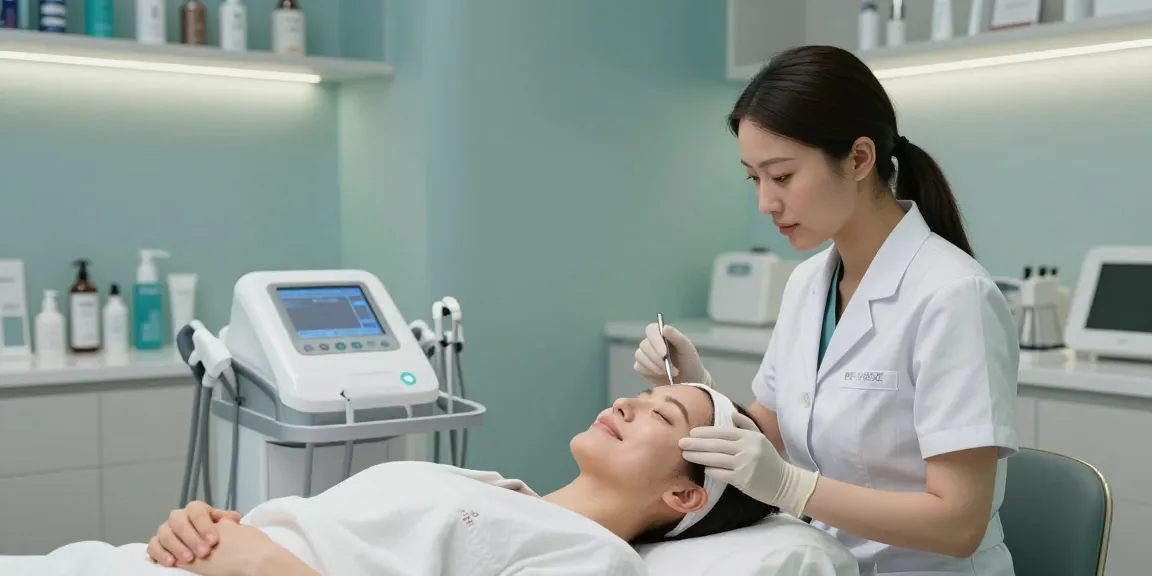
Face treatments are specialized procedures designed to improve the overall health and appearance of facial skin. These treatments can range from simple at-home routines to professional services performed by licensed estheticians or dermatologists. They may include facials, chemical peels, microdermabrasion, laser therapy, and more, each catering to different skin concerns, such as acne, aging, and pigmentation issues.
The Benefits of Face Treatments for Skin Health
Regular face treatments offer women and men alike a multitude of benefits. Firstly, they can enhance skin texture, providing a smoother, softer feel while reducing the appearance of scars and blemishes. These treatments are also effective for deeply cleansing the skin, removing impurities that can lead to issues such as acne and dullness. Furthermore, many face treatments improve hydration levels, fostering a plump and youthful complexion.
Common Misconceptions about Face Treatments
A common misconception is that face treatments are only for people with skin problems. In reality, these treatments can offer preventive benefits, promoting skin longevity by combating environmental damage. Another myth is that all face treatments are painful or invasive. Many treatments, particularly facials, are soothing and can feel pampering rather than uncomfortable. It’s essential to educate yourself and consult with professionals to dispel these myths.
Types of Face Treatments You Should Know
Chemical Peels: Transforming Your Skin
Chemical peels involve applying a solution to exfoliate the top layers of skin, addressing issues such as fine lines, uneven skin tone, and acne scars. They come in various strengths—superficial, medium, and deep—allowing customization based on individual skin concerns. Superficial peels use mild acids, while deeper peels utilize stronger agents like phenol or trichloroacetic acid (TCA).
Microdermabrasion: Achieving a Smooth Complexion
This non-invasive treatment exfoliates the skin using tiny crystals to remove the outer layer of dead skin cells. Microdermabrasion effectively reduces signs of aging, sun damage, and acne scars, leaving the skin looking fresh and rejuvenated. It is ideal for those seeking immediate results with minimal downtime.
Hydration Infusions: Nourishing Your Skin
Hydration therapies deliver vital moisture to the skin through various methods, including serums and hyaluronic acid injections. This treatment is essential for combating dryness and restoring suppleness, especially for individuals with dehydrated or mature skin. Regular hydration infusions promote a healthy glow and improved skin elasticity.
Your Guide to Choosing the Right Face Treatments
Skin Type Considerations
Identifying your skin type is crucial for selecting appropriate treatments. For oily skin, treatments focusing on decongestion and oil control, such as chemical peels, may be beneficial. Conversely, dry or sensitive skin types should opt for gentler hydrating treatments. Always consult a qualified clinician for an analysis tailored to your unique skin profile.
Identifying Skin Concerns
Understanding your specific skin concerns will guide you in choosing the right treatments. Whether you’re dealing with acne, hyperpigmentation, or signs of aging, there are specialized treatments available. For instance, acne-prone skin might benefit from exfoliating treatments, while pigmentation issues may respond better to lightening serums and peels.
Your Budget for Face Treatments
Face treatments can vary significantly in cost depending on the complexity of the procedure and the practitioner’s expertise. When budgeting for these treatments, also consider potential ongoing maintenance sessions. Finding a balance between effective treatment options and what fits within your financial plan is key to maintaining a consistent skincare routine.
DIY vs. Professional Face Treatments
Benefits of Professional Face Treatments
Opting for professional treatments allows for personalized care, access to superior products, and advanced techniques that may not be achievable at home. Professionals can assess skin conditions properly and employ methods that minimize risks while maximizing results. They cater treatments specifically to individual skin needs, ensuring safety and efficacy.
Popular DIY Face Treatments
Numerous DIY treatments are effective for maintaining skin health at home. Masks made from natural ingredients like honey, avocado, or oatmeal can hydrate and soothe the skin, while sugar scrubs can provide gentle exfoliation. However, DIY methods should complement—not replace—professional treatments to achieve the best results.
Combining Home Care with Professional Treatments
Combining home care with regular professional treatments can enhance the longevity and effectiveness of both. After receiving professional treatments, follow-up with a carefully designed home skincare routine to maintain results. Moisturizers, serums, and sunscreens tailored to your skin type can help prolong the benefits achieved in the clinic.
Frequently Asked Questions about Face Treatments
How often should I get face treatments?
Frequency depends on the type of treatment and your skin's needs. Generally, professional treatments can range from every 4-6 weeks, while at-home treatments can be weekly or bi-weekly. Consultation with a skincare professional can provide personalized recommendations.
What can I expect during my first face treatment?
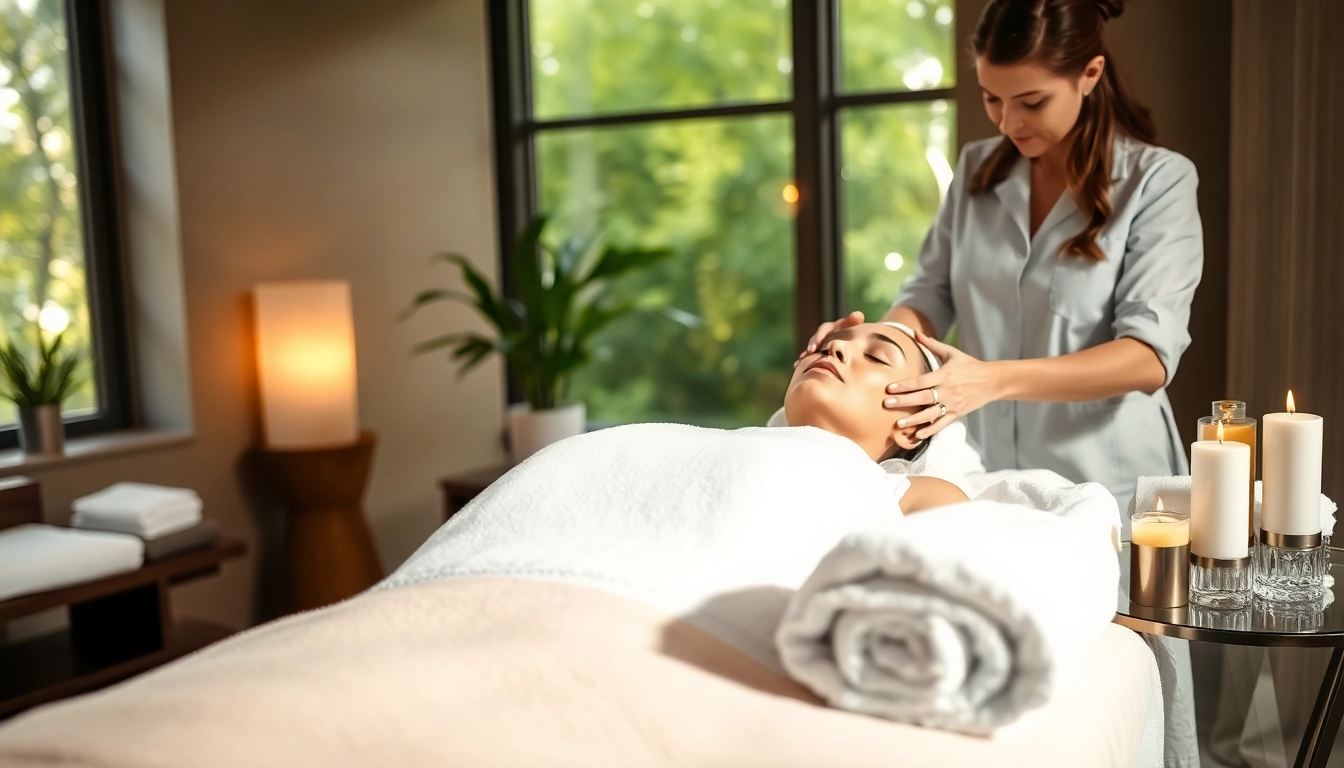
Your first session usually includes a skin analysis and a discussion of your goals and concerns. Treatments vary widely, but you can expect a relaxing experience, followed by initial redness or swelling that should subside quickly, especially with non-invasive methods.
Are there any risks involved with face treatments?
While most face treatments are safe, some risks include irritation, allergic reactions, or infections. Proper consultation and aftercare are essential to minimize risks. Always inform your practitioner of any allergies or medical conditions before proceeding.
Can face treatments help with acne?
Yes, many face treatments are specifically designed to target acne. Options include glycolic peels, extractions, and professional facials that cleanse the skin deeply. For best results, a combination of treatments alongside a robust skincare routine is often necessary.
What products should I use after face treatments?
Post-treatment care is crucial. Generally, use gentle, hydrating products and avoid anything harsh or exfoliating for at least a few days. Sunscreen is essential to protect healing skin from UV exposure. Follow your practitioner's recommendations for the best recovery.