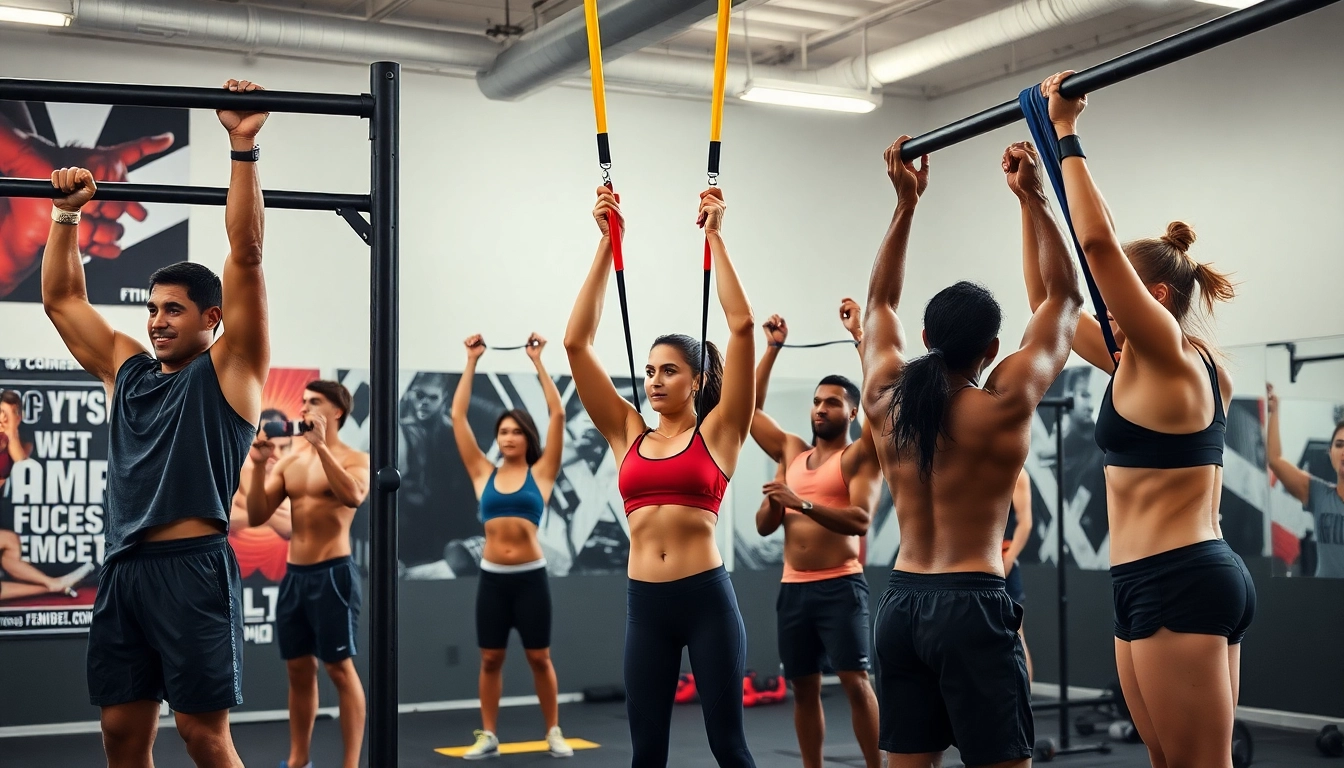
Understanding Stretch Bands for Pull-Ups
In the ever-evolving landscape of fitness equipment, stretch bands for pull-ups have emerged as a game-changer for both beginners and seasoned athletes. These versatile pieces of exercise gear not only assist in performing pull-ups but also help enhance overall strength and conditioning. Whether you're looking to build upper body strength, improve your pull-up technique, or aid in rehabilitation, stretch bands are an essential addition to your fitness arsenal. When exploring options, stretch bands for pull-ups provide comprehensive insights into their capabilities and uses.
What Are Stretch Bands and Their Benefits?
Stretch bands, also known as resistance bands, are elastic bands used in physical therapy and fitness training to provide resistance during exercises. These bands come in various thicknesses and lengths, allowing users to customize their workouts based on individual strength levels and exercise goals. The primary benefits of using stretch bands include:
- Versatility: They can be used for a wide range of exercises beyond pull-ups, including squats, lunges, and shoulder presses.
- Adjustable Resistance: With different resistance levels available, users can easily modify the intensity of their workouts.
- Injury Prevention and Rehabilitation: Stretch bands are excellent tools for rehabilitating injuries by providing controlled resistance during recovery.
- Cost-Effective: Compared to traditional weights and gym equipment, stretch bands are relatively inexpensive, making them accessible for home use.
How Stretch Bands Enhance Pull-Up Performance
Pull-ups are a demanding exercise that requires significant upper body strength, particularly in the back, shoulders, and arms. For many, achieving a full pull-up can be challenging, which is where stretch bands come into play. By providing assistance, these bands allow users to perform pull-ups more effectively, leading to increased strength and improved technique. Here's how they enhance performance:
- Reduced Load: Stretch bands support a portion of the user's body weight, making it easier to complete the movement.
- Technique Improvement: Users can focus on proper form without the strain of full bodyweight, making it easier to learn the correct pull-up technique.
- Progressive Overload: By gradually reducing band resistance, users can progressively increase their strength until they can perform unassisted pull-ups.
Different Types of Stretch Bands Explained
Not all stretch bands are created equal, and understanding the different types can help users choose the best option for their pull-up training. The primary types include:
- Flat Bands: These are non-looped bands often used for rehabilitation exercises and mobility training.
- Loop Bands: These bands are continuously looped, providing more versatility for various exercises, including pull-ups.
- Super Heavy Bands: These thicker bands offer more resistance, suitable for advanced users looking to enhance their strength training.
Choosing the Right Stretch Bands
Choosing the right stretch bands for pull-ups can significantly impact workout outcomes. Factors like resistance level, band material, and length should be considered to ensure optimal performance and safety.
Factors to Consider When Selecting Stretch Bands for Pull-Ups
When selecting stretch bands, consider the following factors:
- Resistance Level: Bands come in various resistance levels, typically color-coded. Beginners should opt for lighter bands, while advanced users may choose heavier options.
- Width and Thickness: Thicker bands provide more resistance and support. Ensure the band aligns with your training goals and physical capabilities.
- Length: The length of the band can affect the range of motion during exercises. Ensure that the band is long enough for exercises involving pull-ups.
Best Stretch Bands for Beginners vs. Advanced Users
For beginners, lighter resistance bands such as the yellow or green varieties are ideal, as they provide sufficient assistance while allowing users to develop strength. On the other hand, advanced users may benefit from thicker bands, such as purple or black, which offer more resistance and require greater strength to utilize effectively.
Top Brands and Products to Consider for 2026
The market for stretch bands continues to grow, with several brands leading the way in quality and performance. Some top brands to look out for in 2026 include:
- Rogue Fitness: Known for their durable and high-quality bands, ideal for both home and gym settings.
- Fit Simplify: Offers a range of affordable and versatile resistance bands suitable for all fitness levels.
- Rubberbanditz: Focuses on providing high-quality resistance bands that cater to a variety of exercises.
Techniques for Effective Use of Stretch Bands
Knowing how to use stretch bands effectively can make a world of difference in achieving your fitness goals. Here, we discuss techniques and tips for effectively integrating these bands into your training routine.
Step-by-Step Guide to Performing Assisted Pull-Ups
- Choose the Right Band: Select a band based on your current strength level.
- Attach the Band: Loop the band around the pull-up bar and then place one knee or foot inside the band.
- Grip the Bar: Grab the pull-up bar with your palms facing away (overhand grip) at shoulder-width apart.
- Engage Your Core: Tighten your core muscles and ensure your body is in a straight line.
- Pull Up: Use your back and arm muscles to pull your chin above the bar while allowing the band to provide assistance.
- Lower Slowly: Slowly lower yourself back down, maintaining control.
Common Mistakes to Avoid with Stretch Bands
As with any exercise, proper form is crucial. Common mistakes include:
- Using a band that is too light, which can hinder strength development.
- Pulling with solely the arms instead of engaging the back muscles.
- Failing to control the descent, which can lead to injury.
Effective Warm-Up and Cool-Down Exercises Using Bands
Incorporating warm-up and cool-down exercises with stretch bands can prevent injuries and enhance flexibility. Here are a few effective exercises:
- Dynamic Shoulder Stretch: Use a light band to stretch and warm up the shoulder joints.
- Band Pull Aparts: Strengthen the upper back and shoulders, preparing them for pull-up activity.
- Cool Down Stretches: Utilize the band to assist in stretching muscles post-workout, promoting recovery.
Integrating Stretch Bands into Your Workout Routine
Integrating stretch bands into your workout routine can enhance overall strength training and improve performance across various exercises.
Developing a Balanced Strength Training Program
To develop a balanced strength training program with stretch bands, consider incorporating exercises that target multiple muscle groups, such as:
- Chest presses
- Squats
- Shoulder raises
- Tricep extensions
Combining Stretch Bands with Other Equipment
Stretch bands can be effectively combined with other fitness equipment, such as dumbbells or kettlebells, to create a more dynamic and challenging workout. This combination allows for greater variation and targets different muscle groups.
Sample Workouts Featuring Stretch Bands for Pull-Ups
Here’s a sample workout that incorporates stretch bands for pull-ups:
- Warm-Up: 5-10 minutes of dynamic stretching using a light band.
- Assisted Pull-Ups: 3 sets of 8-12 reps with appropriate band resistance.
- Band Rows: 3 sets of 10-15 reps to strengthen the upper back.
- Band Chest Press: 3 sets of 10-15 reps to target the chest and triceps.
- Cool Down: Stretch using the band to promote flexibility.
The Future of Stretch Bands in Fitness
The fitness industry continues to evolve, and the future of stretch bands looks promising with advancements in material technology and innovative designs.
Emerging Trends in Resistance Training for 2026
As we move into 2026, emerging trends in resistance training include:
- Smart Bands: Technology-integrated bands that provide feedback on workouts and resistance levels.
- Hybrid Equipment: Bands designed to function as both resistance and mobility tools.
- Eco-Friendly Materials: An increase in demand for sustainable fitness products.
How Technology is Shaping the Use of Stretch Bands
New technologies are making stretch bands more effective and user-friendly. Innovations like built-in sensors can track performance, while customizable resistance options cater to individual users' needs.
Expert Predictions for Resistance Training Innovations
Experts predict that the future of resistance training will involve highly personalized fitness solutions, allowing users to tailor their workouts with more precision, ultimately leading to better results and a more engaging fitness experience.